Control
your money
Buy, sell, send and receive crypto instantly, in any currency, from anywhere in the world
Your Email
Get Started
Open App
Products
Explore
Business
Learn
About
The Problem
My Role
I joined Zap as the founding designer, responsible for taking an idea—a non-custodial crypto exchange—and turning it into something real. Something people would actually trust and use.
Over two years, my role evolved:
Founding Designer (Solo): Designed and prototyped the MVP from concept to launch
Design Lead: Grew and led a team of 2 designers + 1 intern
Strategic Contributor: Shaped product direction, feature prioritization, and go-to-market decisions
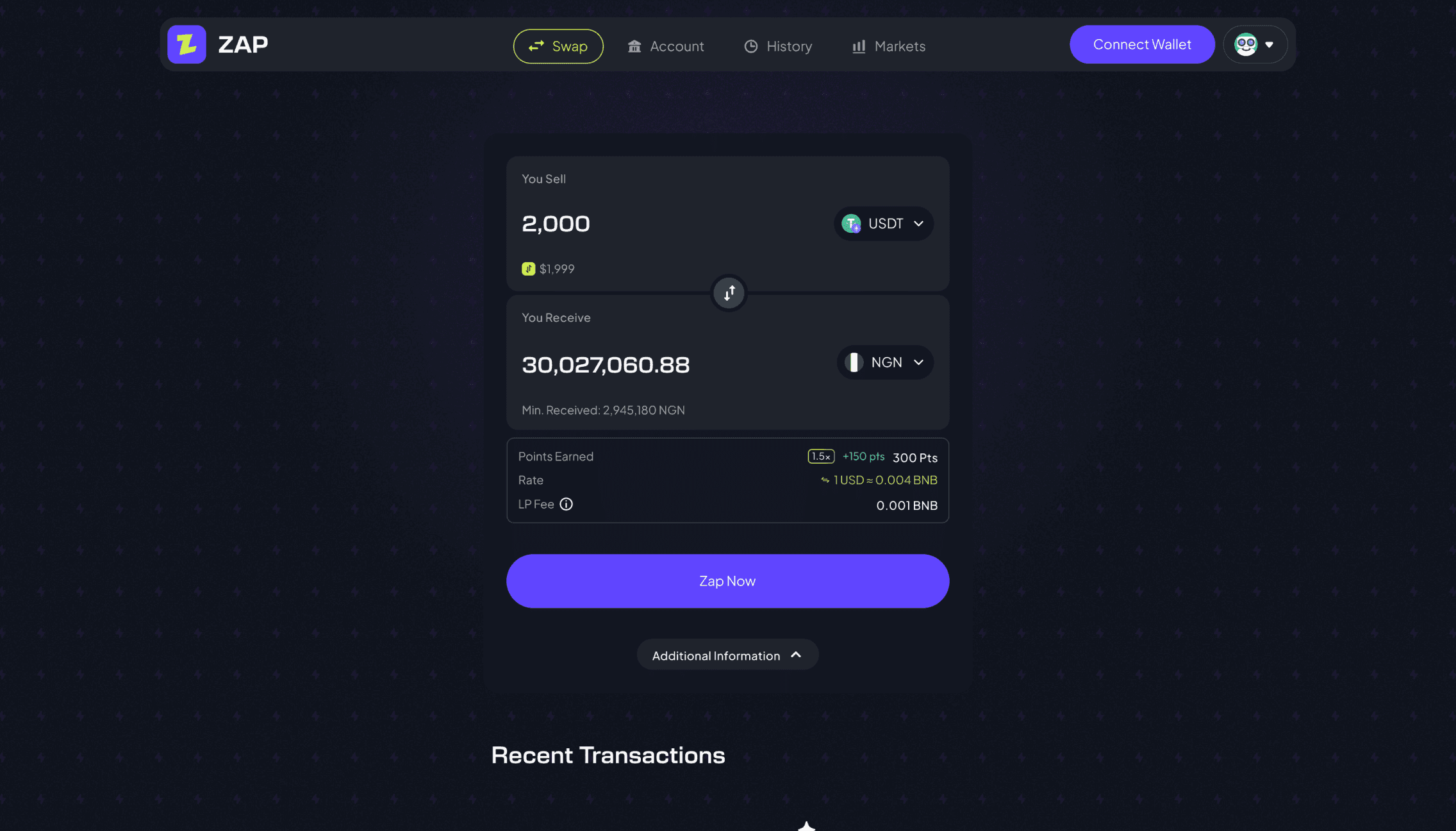
The Insight: Control = trust
Most off-ramp exchanges (platforms where you convert crypto to fiat) require deposits. You send your Bitcoin or Ethereum to their wallet, it sits there, and then you trade whenever you want. Convenient? Sure. But is it safe? That's debatable.
Zap flipped the script: what if users never had to give us custody of their funds?
Instead of deposits, Zap only collected crypto at the moment of transaction. Users kept their assets in their own wallets—hot wallets, cold wallets, whatever they preferred—and only transferred what they needed, when they needed it.
No custody. No exposure. No "trust us with your life savings" model and a trustworthy alternative to P2P Exchange.
The big question was: would people actually use this?
Phase One: Validating the model
Research & Validation
Before designing a single screen, I needed to understand two things:
What made users distrust existing exchanges?
What would make them trust a new one?
The research came from multiple sources. FTX was the headline, but it wasn't the only story. Patricia, a Nigerian exchange, had also collapsed—leaving users locked out of their funds with no recourse. I talked to people directly affected by both crashes. Their stories weren't just about bad luck—they were about broken promises, opaque processes, and feeling powerless.
But I also went further. Social media, especially X (formerly Twitter), was full of testimonies from people burned by centralized exchanges. The sentiment was raw and consistent: they wanted control. They wanted to know where their money was at all times, and they wanted the ability to pull it out whenever they needed to.
I also studied existing off-ramp solutions (none were non-custodial at the time) to understand what "simple" looked like in this space. The best experiences had three things in common: they were easy, cheap, and fast. That became our north star.
Designing for Trust
Trust isn't just about security features—it's about transparency and clarity at every step. Here's how I baked that into the UX:
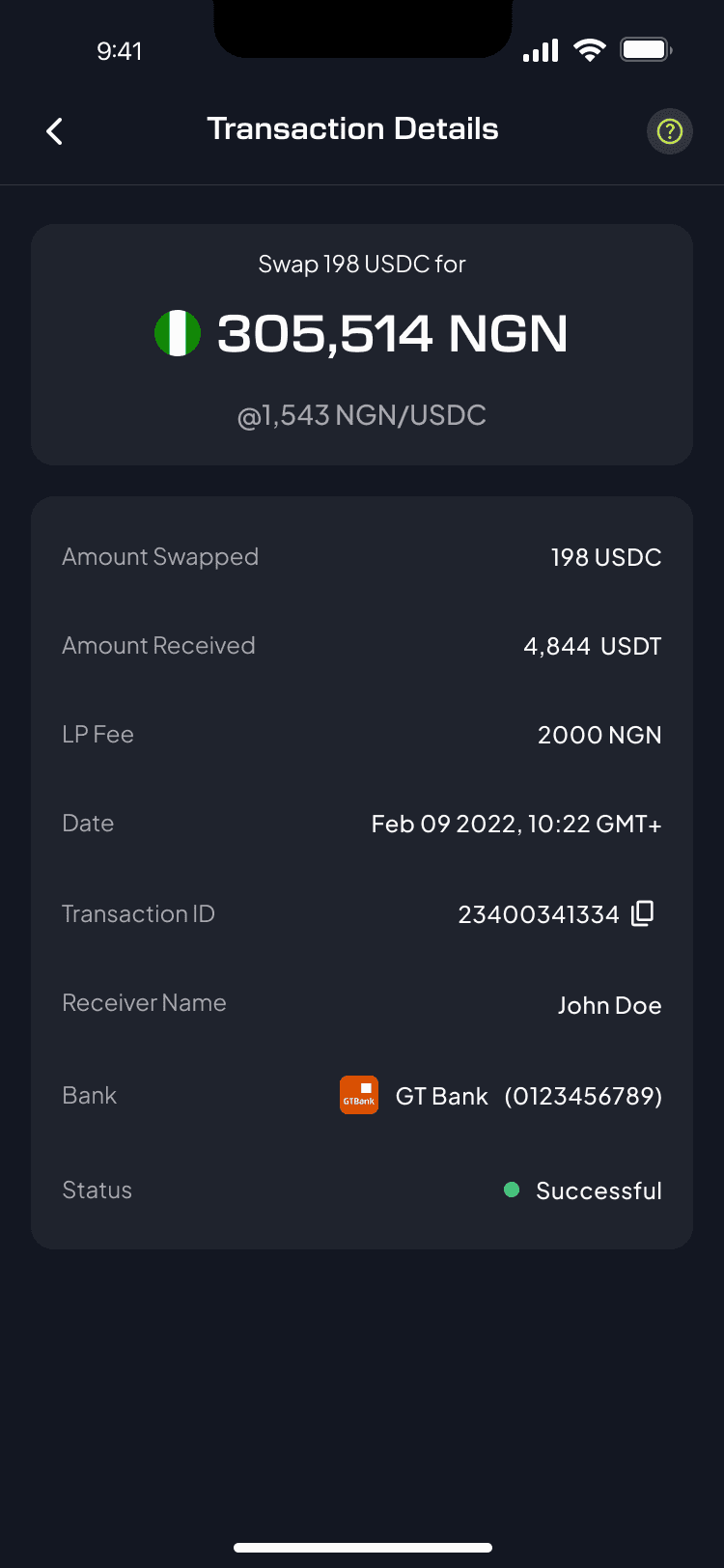
Transparent pricing: No hidden fees. Users saw the exact exchange rate before committing.
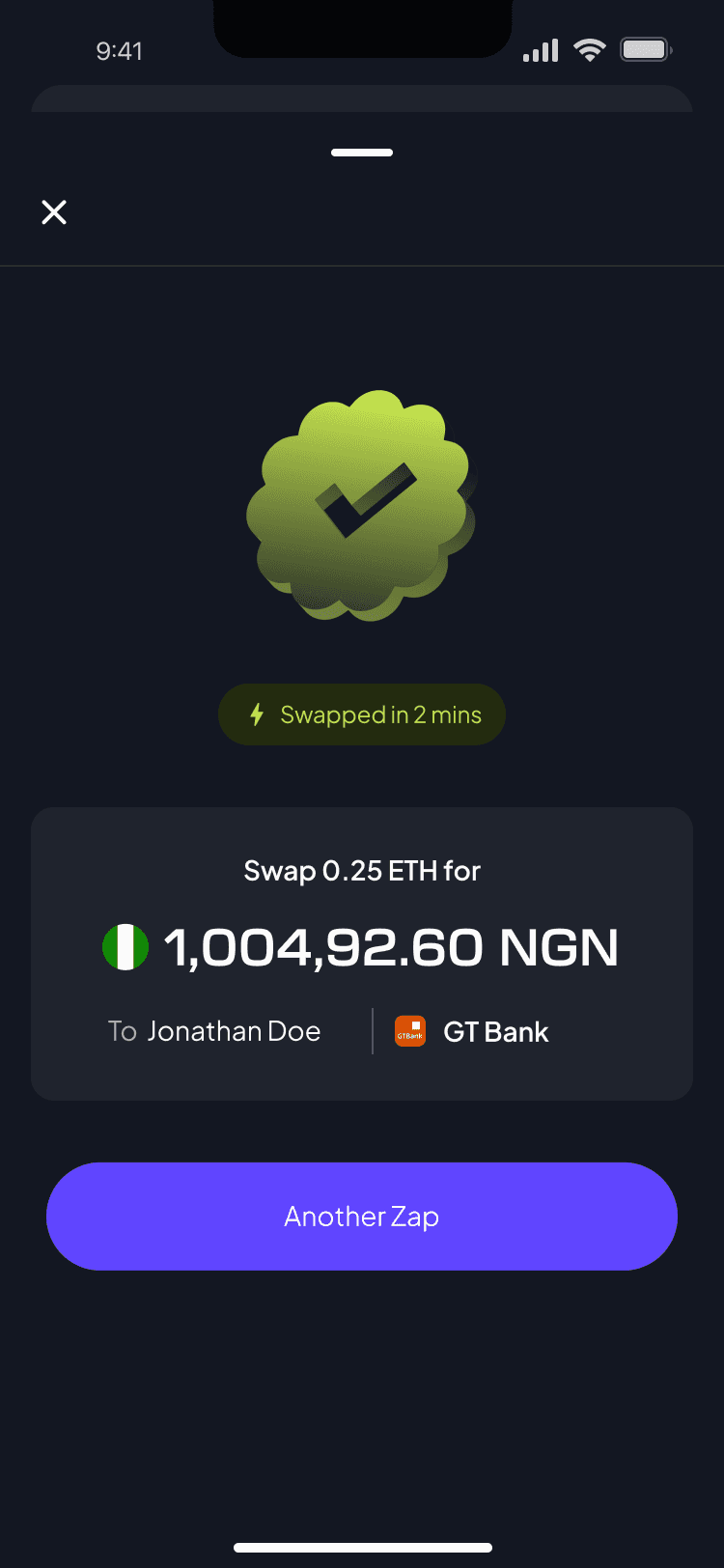
Streamlined flow: From selecting an asset to completing a trade, the journey was linear and intuitive. No confusing steps, no jargon unless absolutely necessary.
Real-time feedback: Users got immediate confirmation of transaction status. No waiting in the dark wondering if their money was safe.
Launch
We shipped the MVP and held our breath.
$50,000 in transaction volume in the first week.
People were using it. More importantly, they were coming back. The non-custodial model wasn't just a nice-to-have—it was solving a real problem.

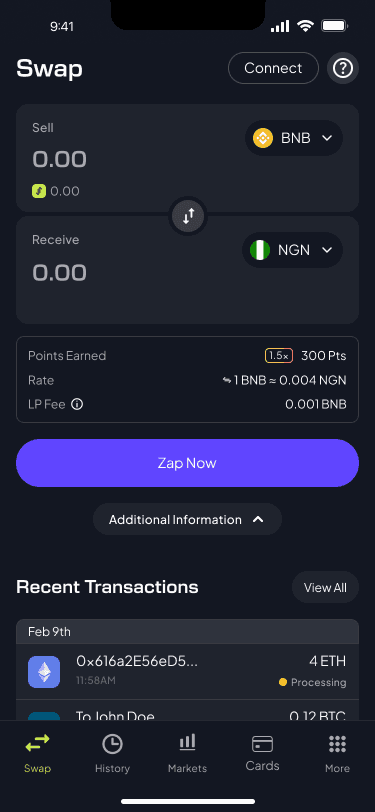
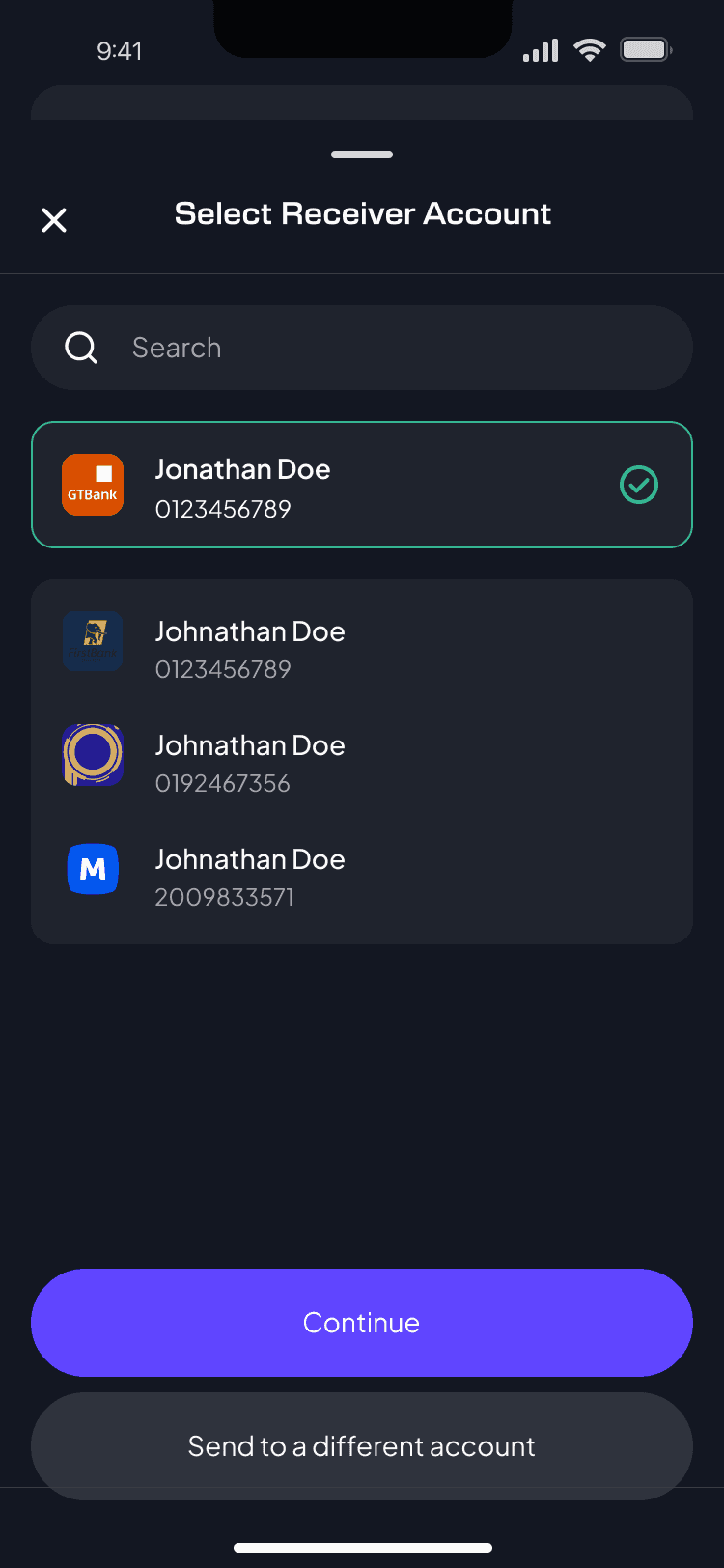
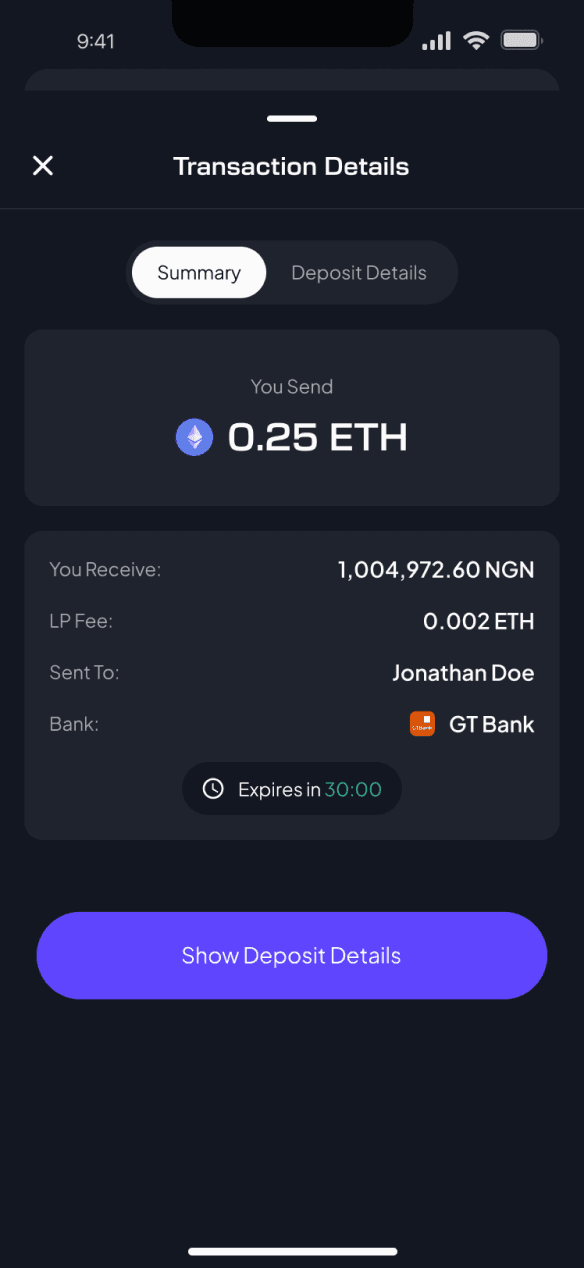
Operational Thinking: Refunds
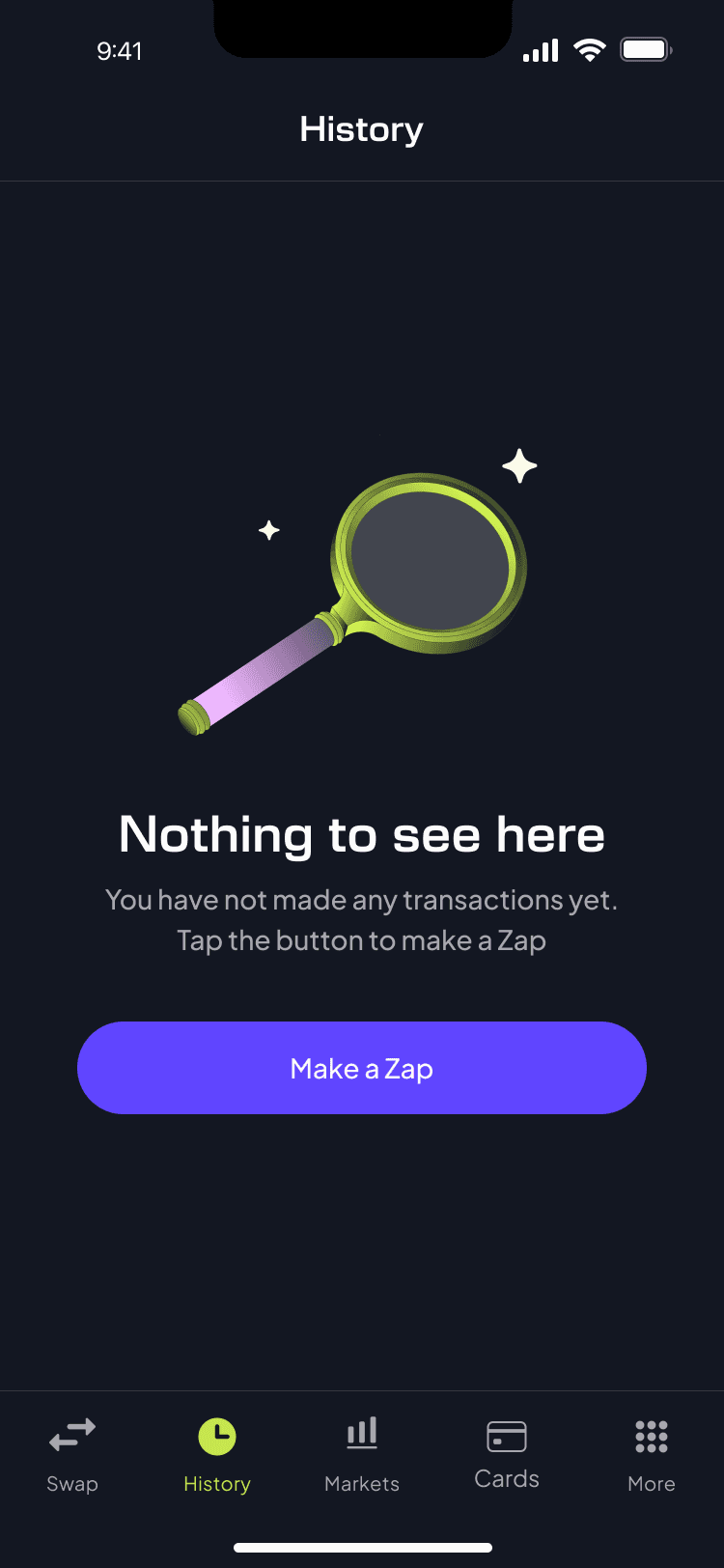
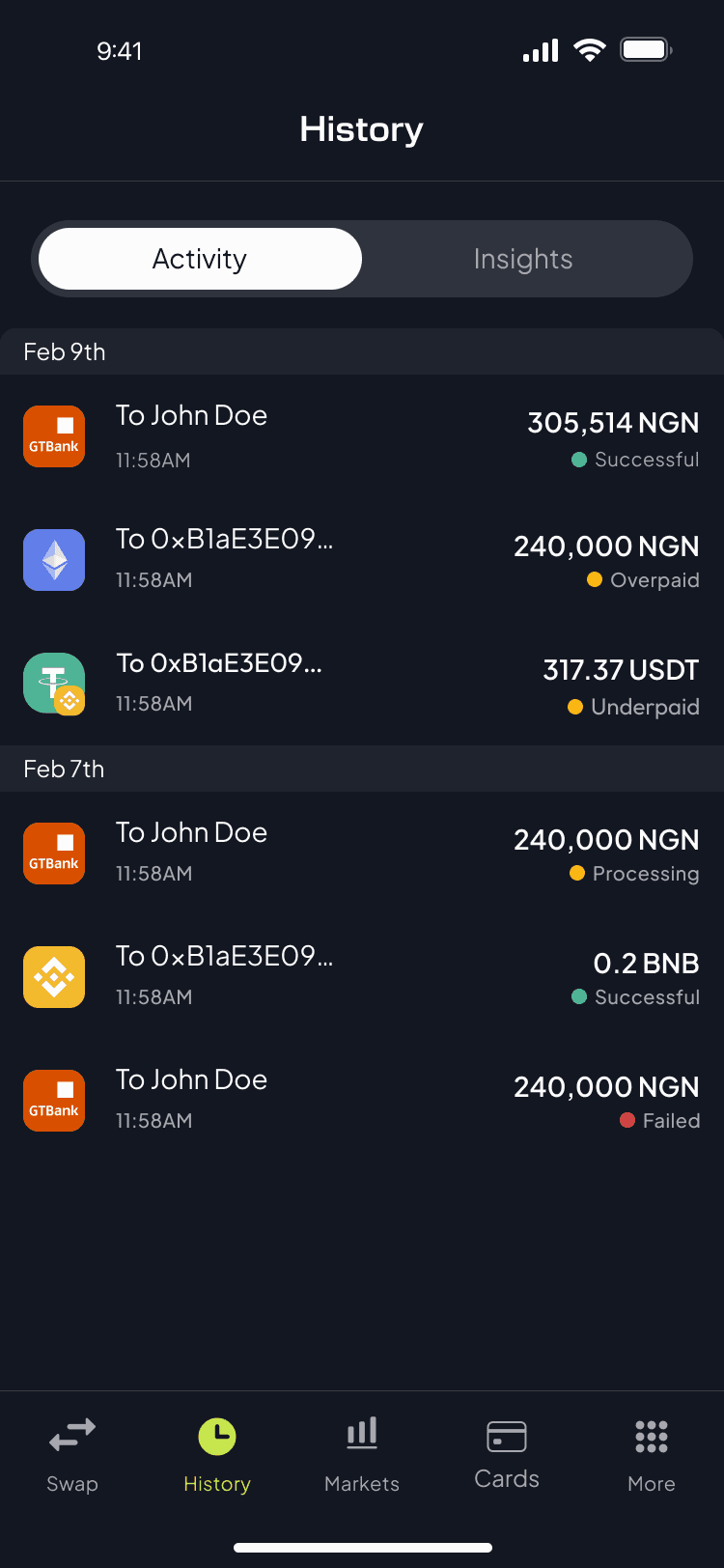
Non-custodial creates a unique challenge: what happens when a transaction fails?With custodial exchanges, refunds are easy—just credit the user's account. With non-custodial, there's no account to credit. The user's funds are... somewhere. In their wallet. But which one?
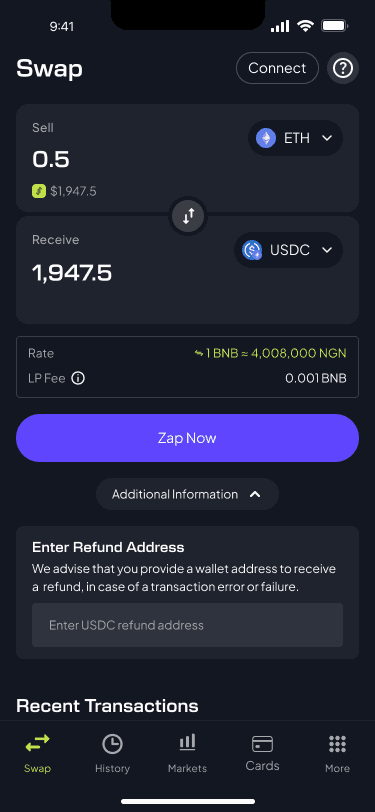
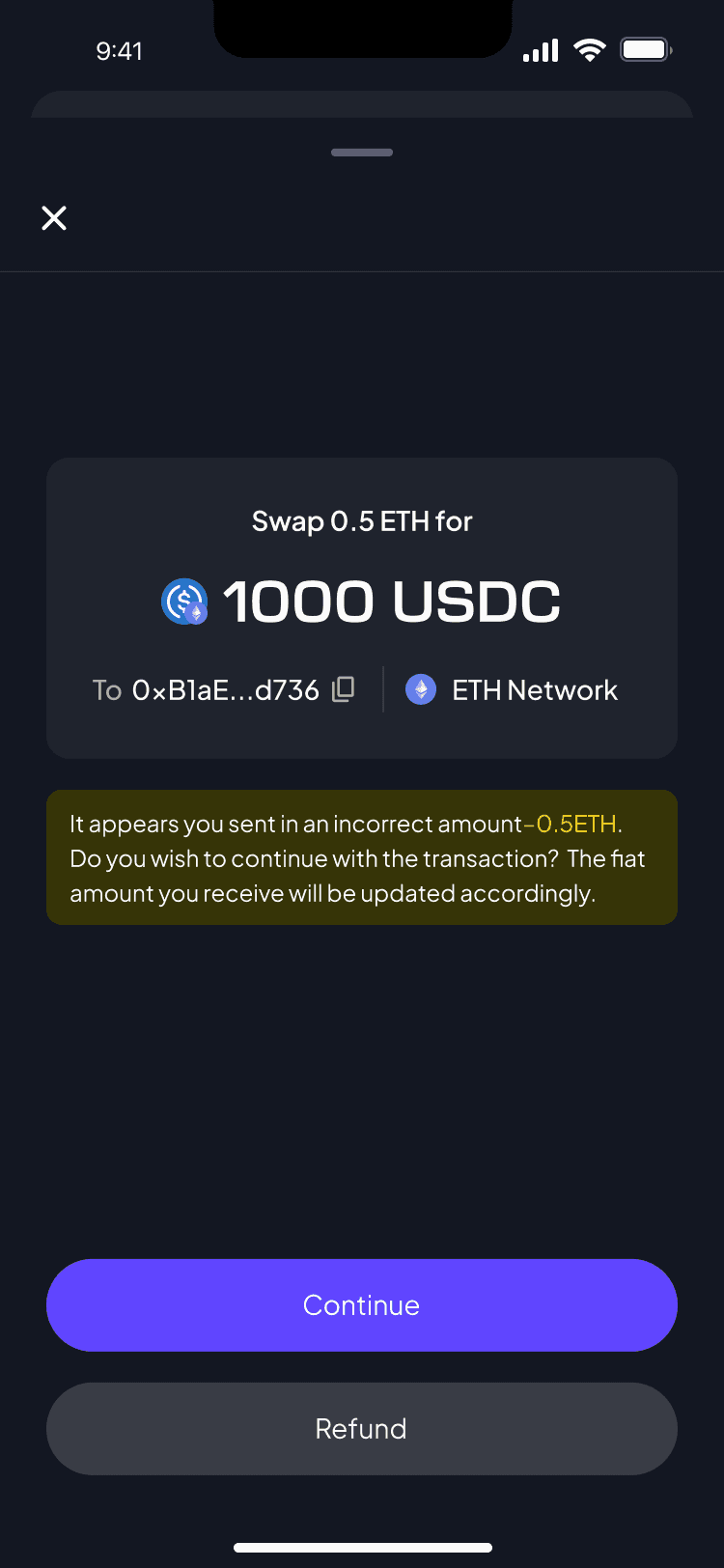
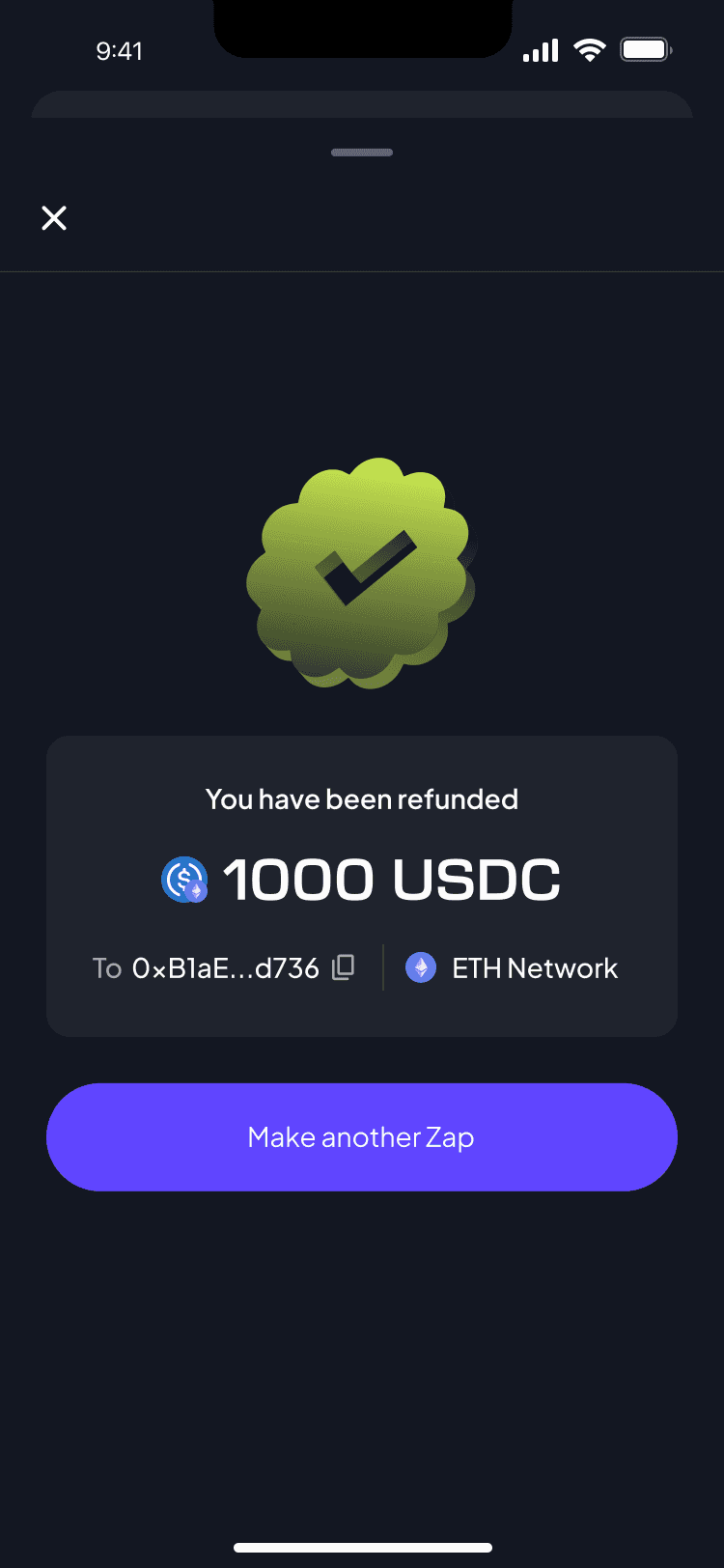
I designed a refund system that felt simple:
Before initiating a sell or swap, users could optionally provide a refund address.
If the transaction failed (underpayment, overpayment, network issues), we'd prompt them to either request a refund or complete the transaction with adjusted amounts.
It sounds small, but this kind of operational thinking is what separates a product that works in theory from one that works in practice.
Phase 2: Rebrand
A few months after launch, something didn't sit right with me. The product was working, but the brand identity we launched with felt... off. It didn't match the promise we were making or the audience we wanted to reach.
Crypto isn't just about technology—it's about the future. It's fast, forward-thinking, and for a lot of people, it represents financial freedom. Our initial branding didn't communicate any of that. It felt safe. Generic. Forgettable.
So I led a full rebrand.
The New Identity
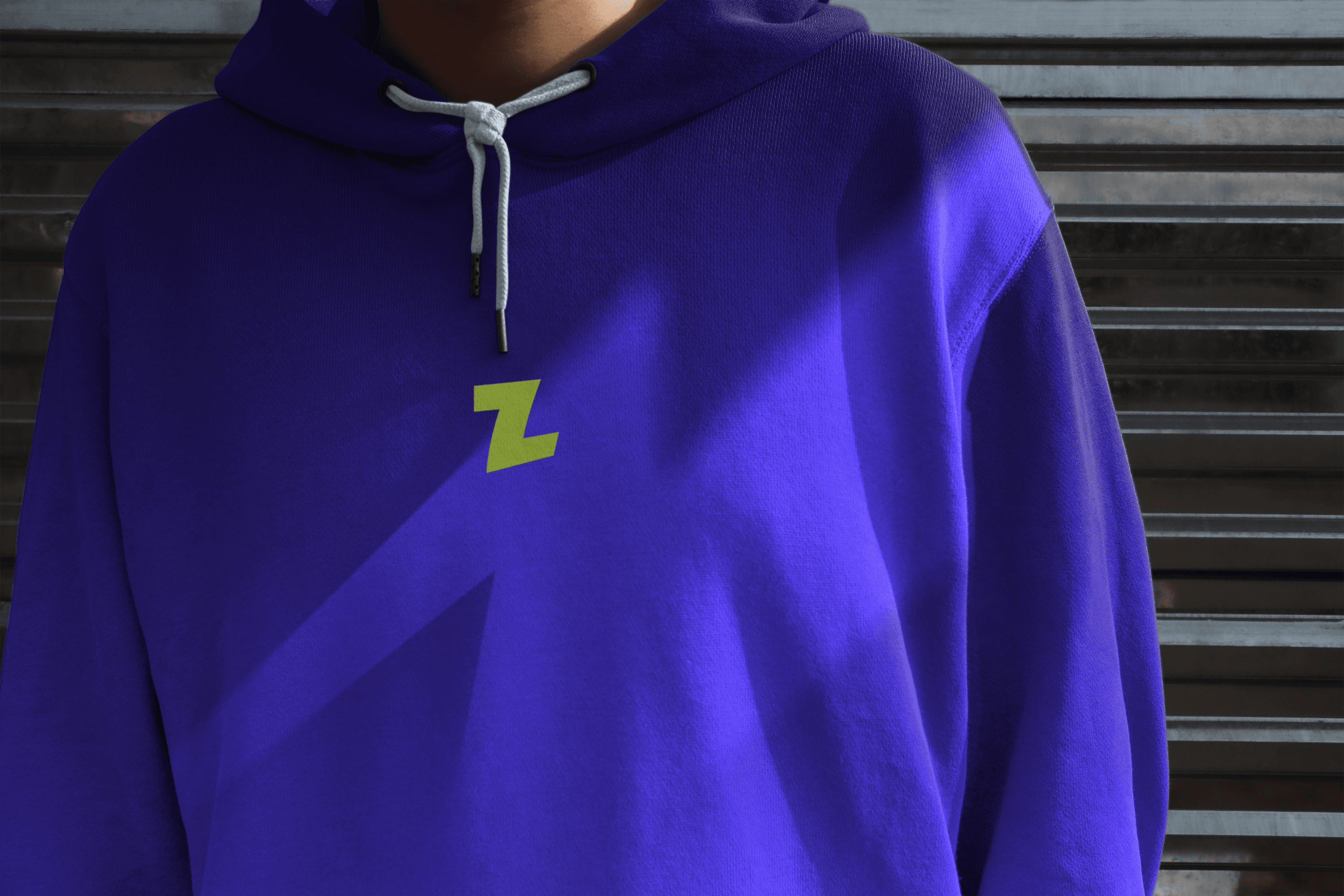
Typography: I chose a typeface that felt futuristic and modern—because crypto is the future. This wasn't a legacy financial institution; this was something new.
Color system: I refreshed the entire colour palette to feel more premium and trustworthy while maintaining energy and approachability.
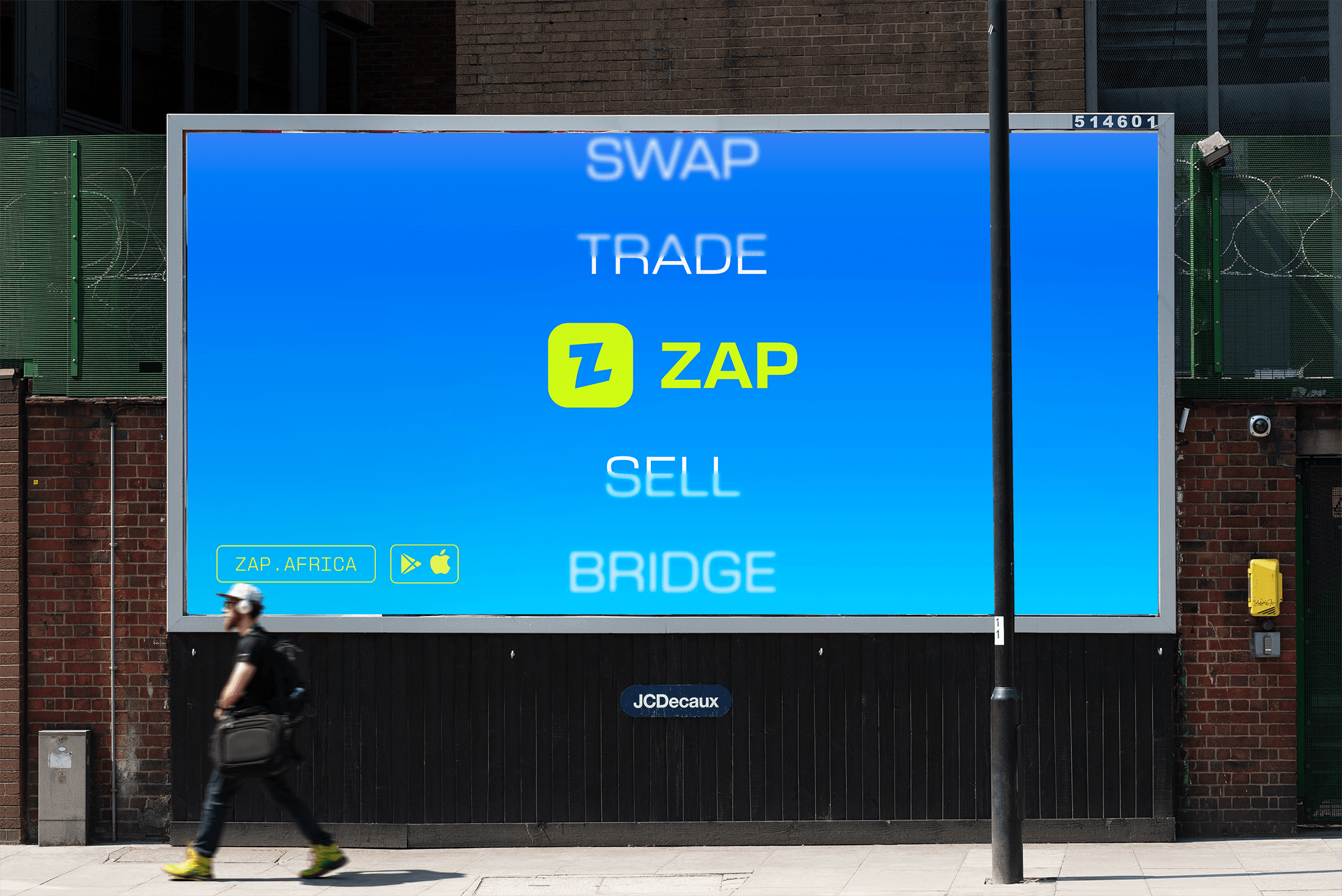
Logo mark: Speed matters in crypto. Markets move fast, and traders need platforms that keep up. I designed the logo to embody that—motion, velocity, trust in action.
The stakeholder reaction was overwhelmingly positive. More than that, it gave the team a renewed sense of direction. The brand now matched the ambition of what we were building.
Before
After




Phase 3: Building an Ecosystem
The Wallet Problem
Zap was solving one part of the problem—trading without custody. But users still had to store their crypto somewhere. Most were using third-party wallets, which meant managing multiple apps, juggling seed phrases, and dealing with fragmented experiences.
If we really wanted to serve users end-to-end, we needed to build a wallet. Not just any wallet—one that integrated seamlessly with everything Zap offered.
That became my next big project: Zap Wallet.
Designing for Multi-Chain
Most crypto wallets support one blockchain at a time. Want to manage Ethereum and Solana? You're switching between apps or accounts. It's clunky and confusing.
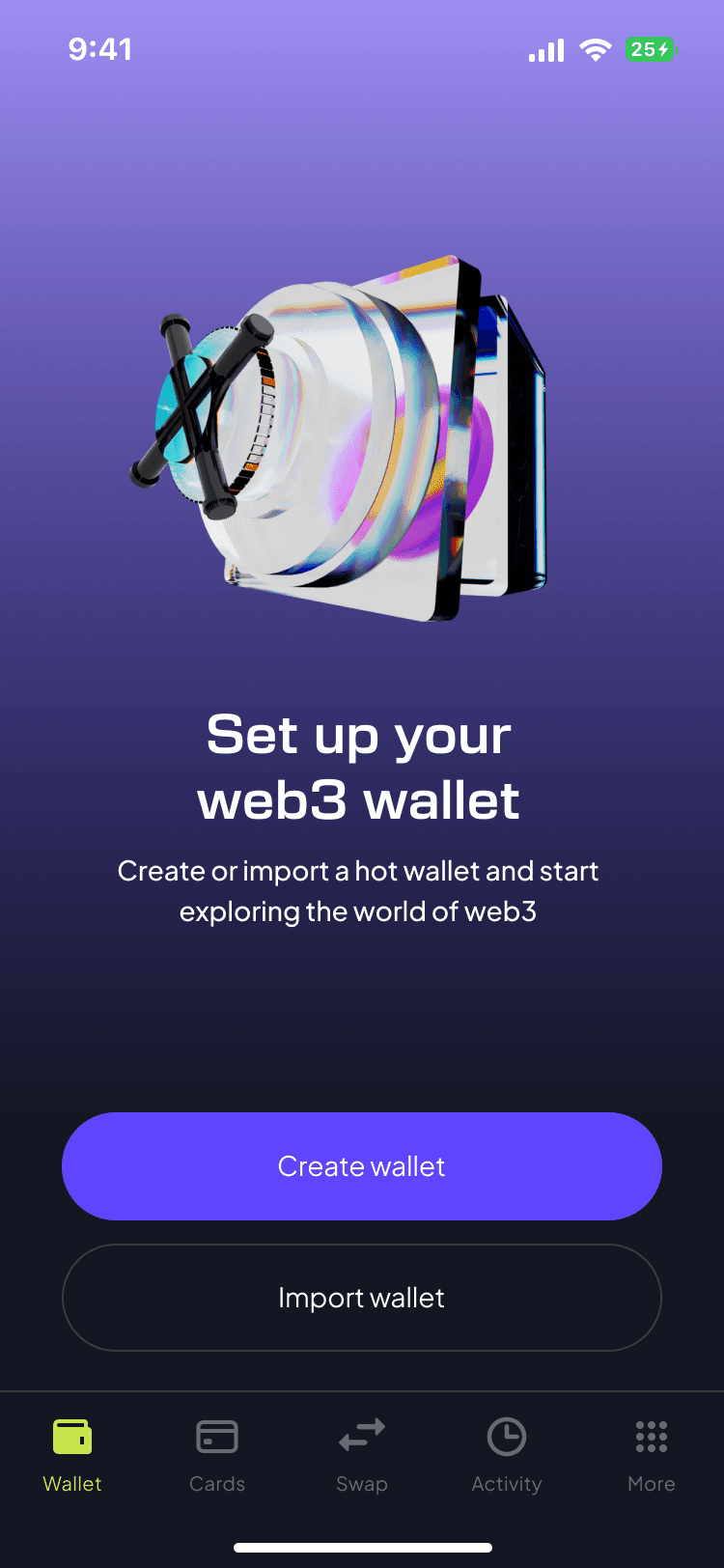
Zap Wallet needed to support multiple chains simultaneously. That sounds simple, but it fundamentally changes the mental model. How do you organize assets? How do you handle wallet creation? What's the hierarchy?
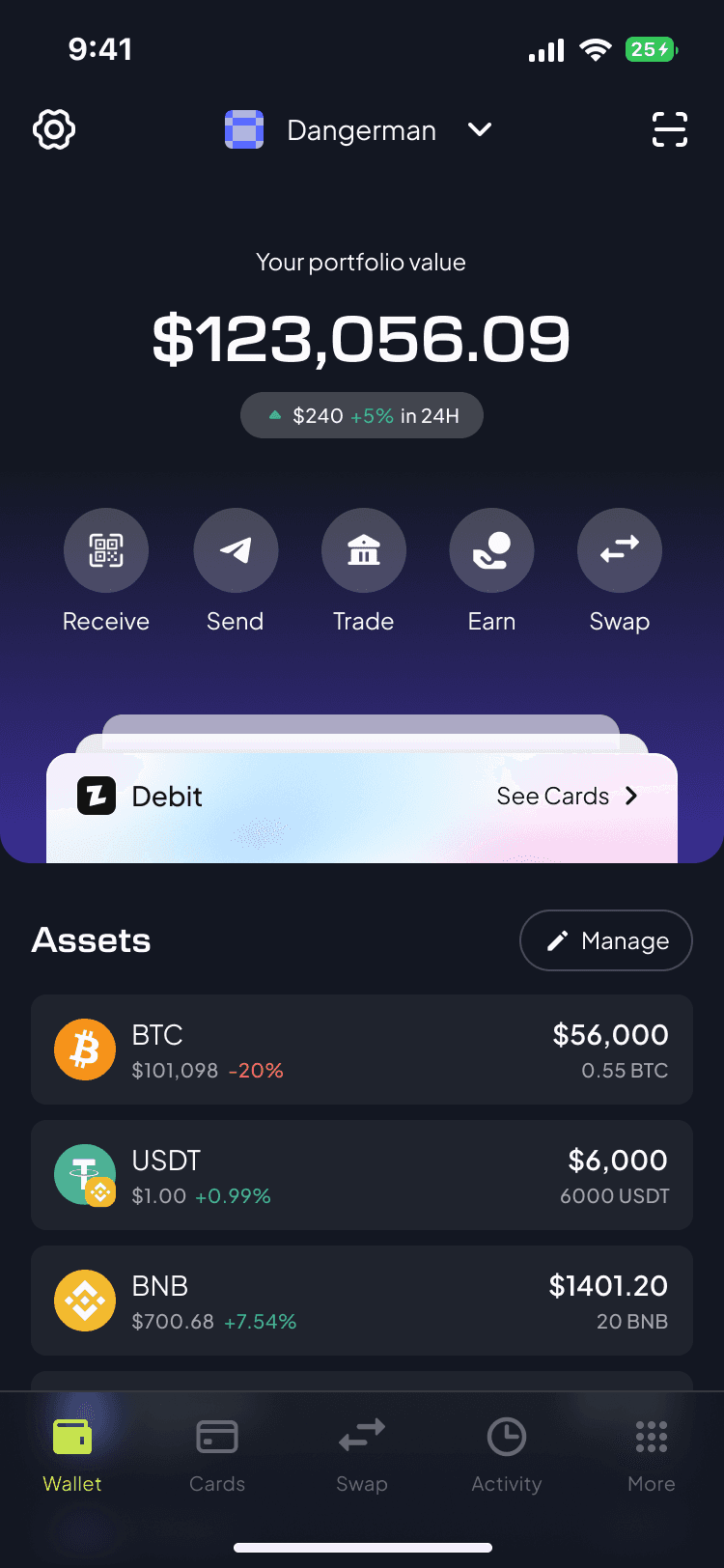
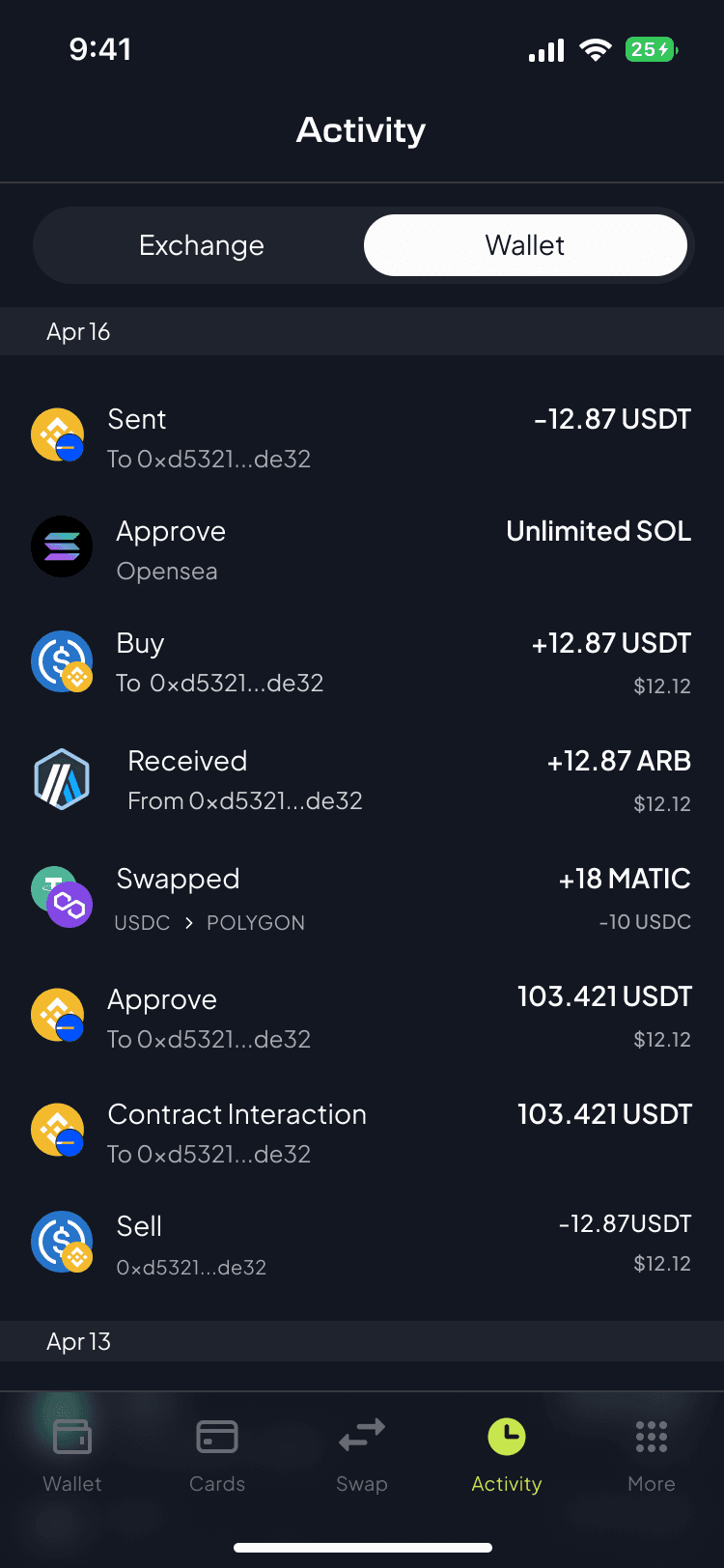
I redesigned the wallet architecture to make multi-chain feel natural:
Asset-first navigation: Users see all their assets across chains in one view, not buried in chain-specific silos.
Unified creation flow: One setup process, access to all supported chains immediately.
Clear visual hierarchy: Chain differentiation without overwhelming the user.
The result: Users could manage their entire crypto portfolio in one place, without ever thinking about "which chain is this on?"

Tke KYC problem
Here's a tension that doesn't get talked about enough in crypto: regulation vs. anonymity.
To legally offer fiat transactions (crypto to local currency), we needed KYC compliance. But Web3 users value their privacy. They don't want to "dox" themselves just to use a wallet.
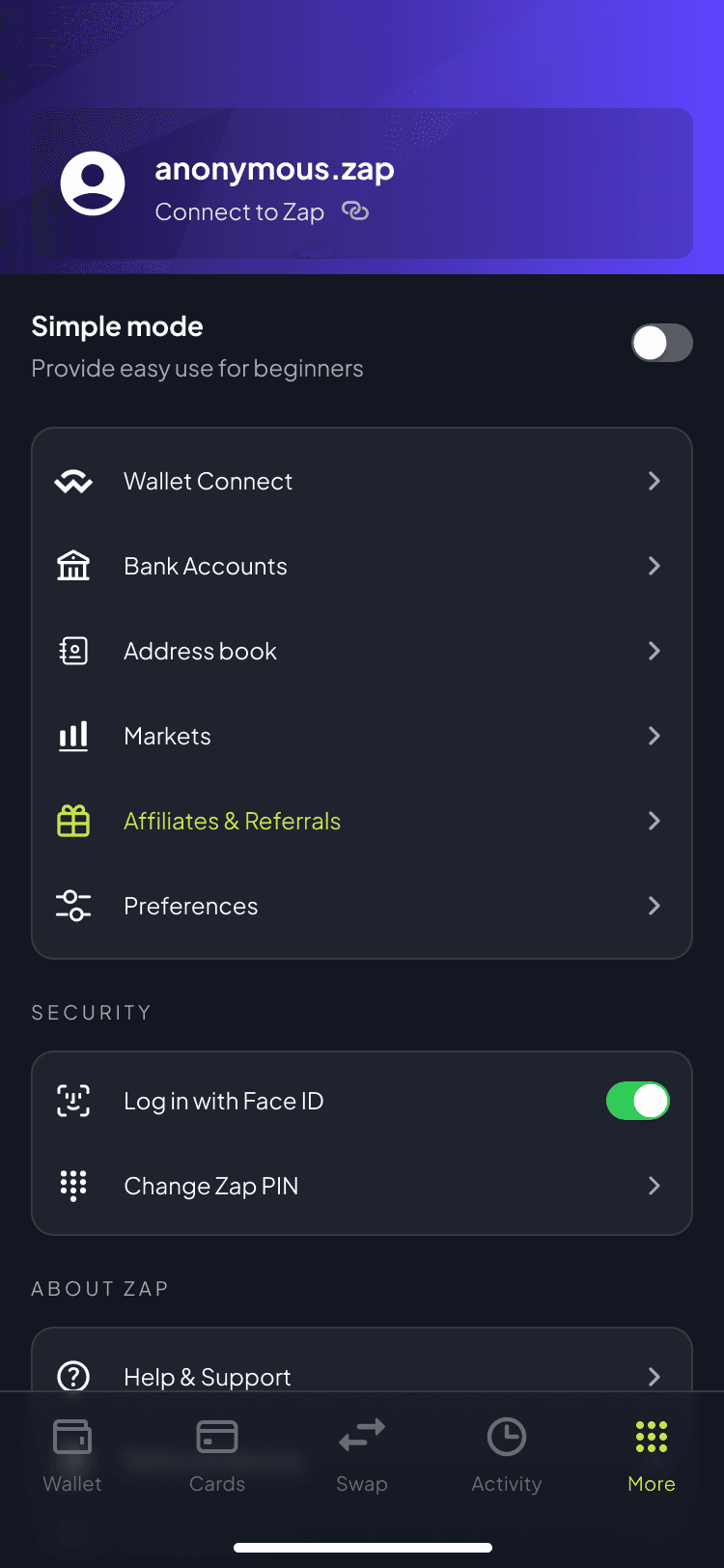
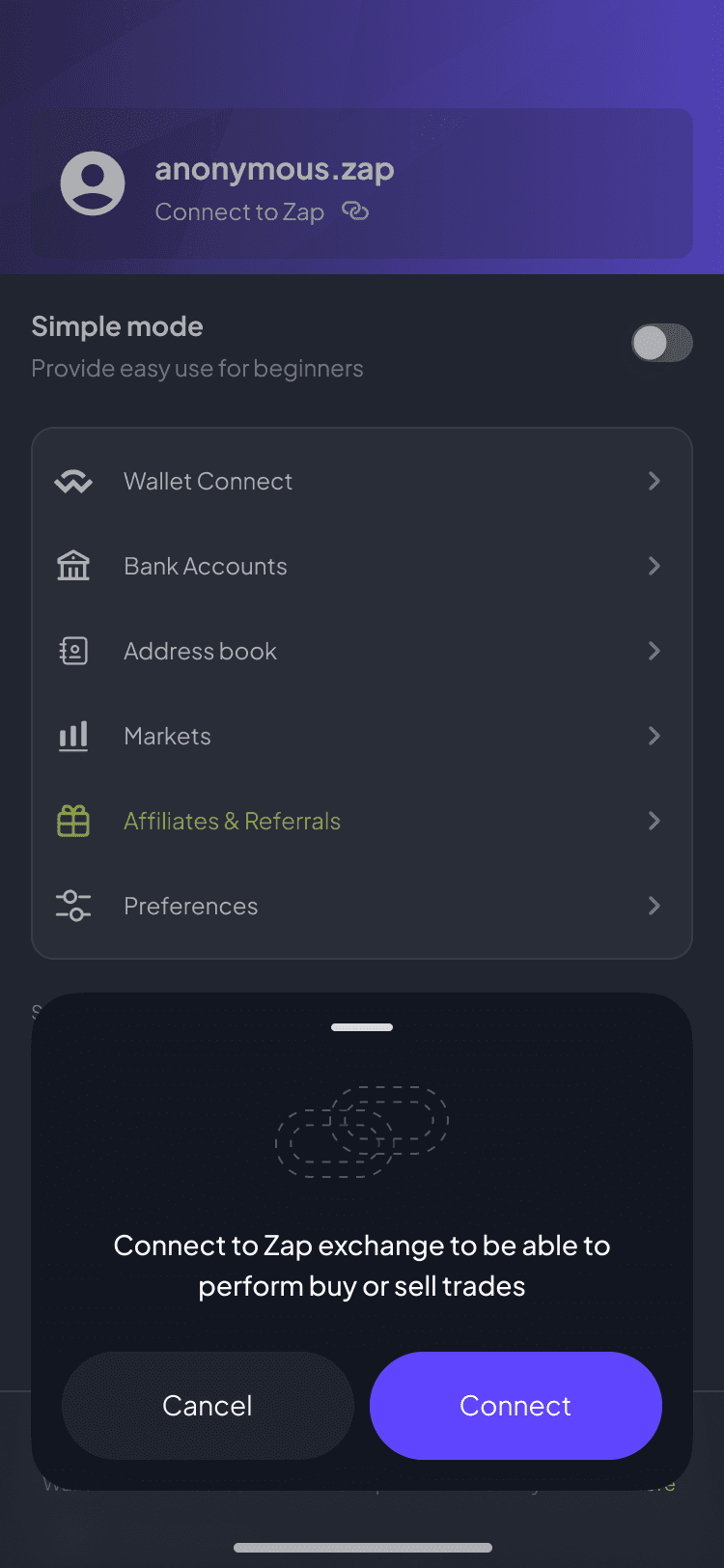
So we designed a tiered access model:
Anonymous tier: Use the wallet, swap tokens, access DeFi—no identity required.
KYC tier: Want to convert to fiat or use the virtual debit card? That's when we ask for identity verification.
This way, users stayed in control. They decided when and if they wanted to unlock fiat features. No forced KYC on day one.
Feature Expansion
With the wallet and exchange integrated, we started adding features that deepened engagement:
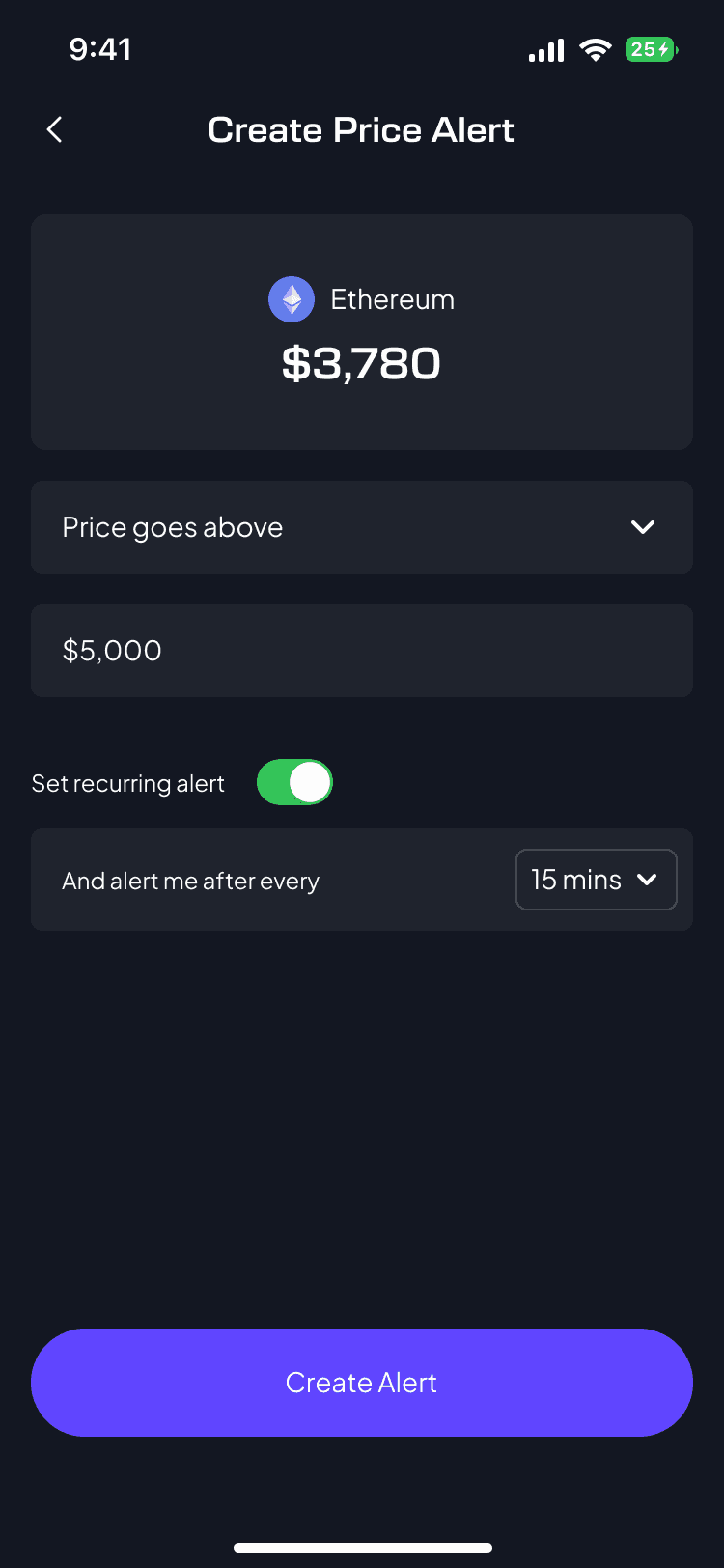
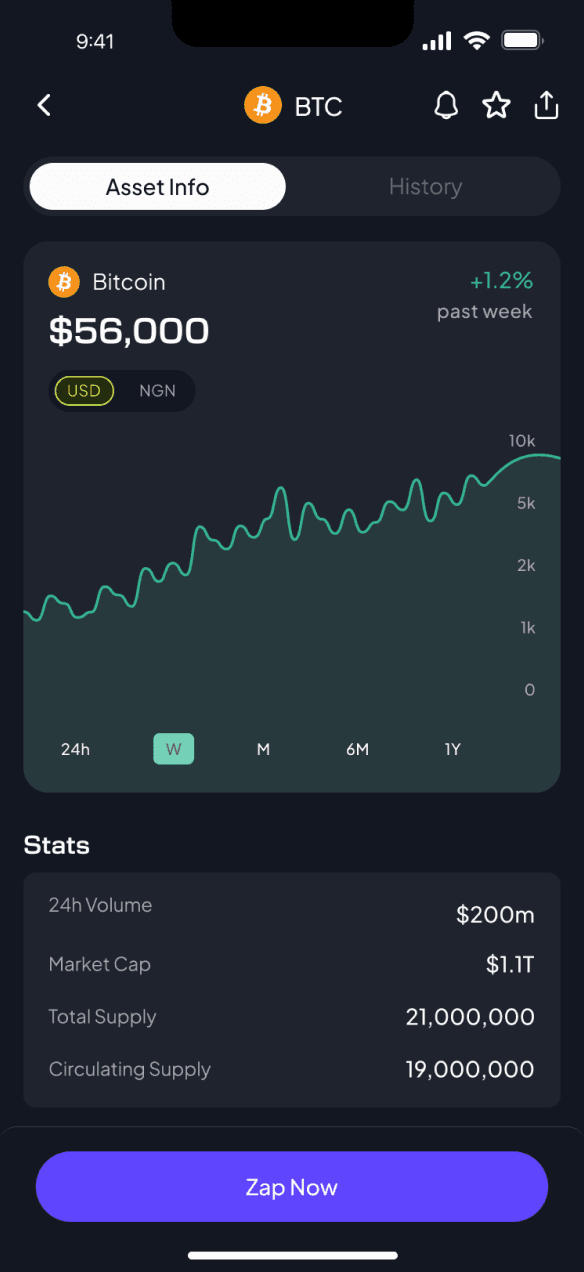
Price Alerts: Notify users when their assets hit target prices.
Token Watchlists: Let users track coins without owning them yet.
Saved Addresses: Streamline repeat transactions.
Crypto Markets: Real-time market data and trends.
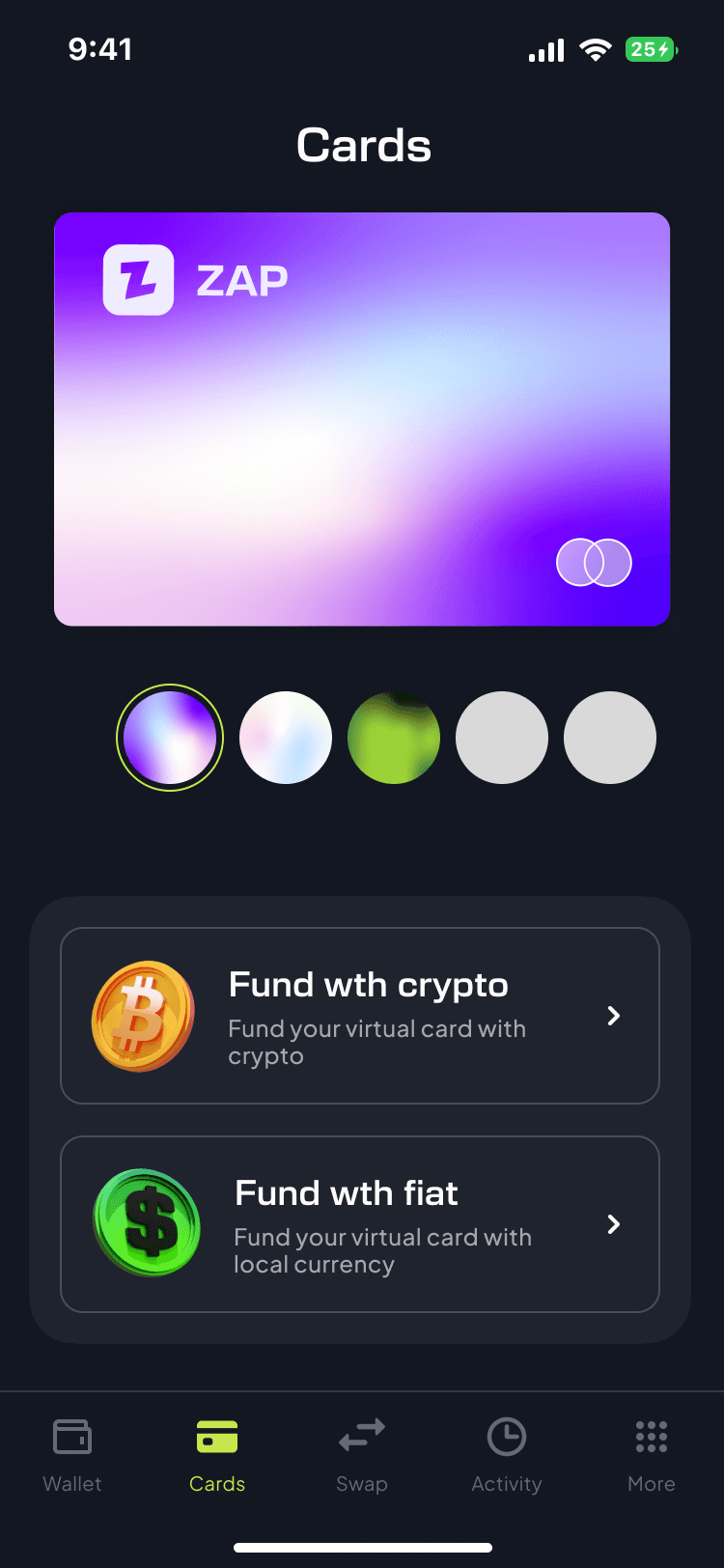
Virtual Debit Card: Spend crypto anywhere, funded directly from the wallet.
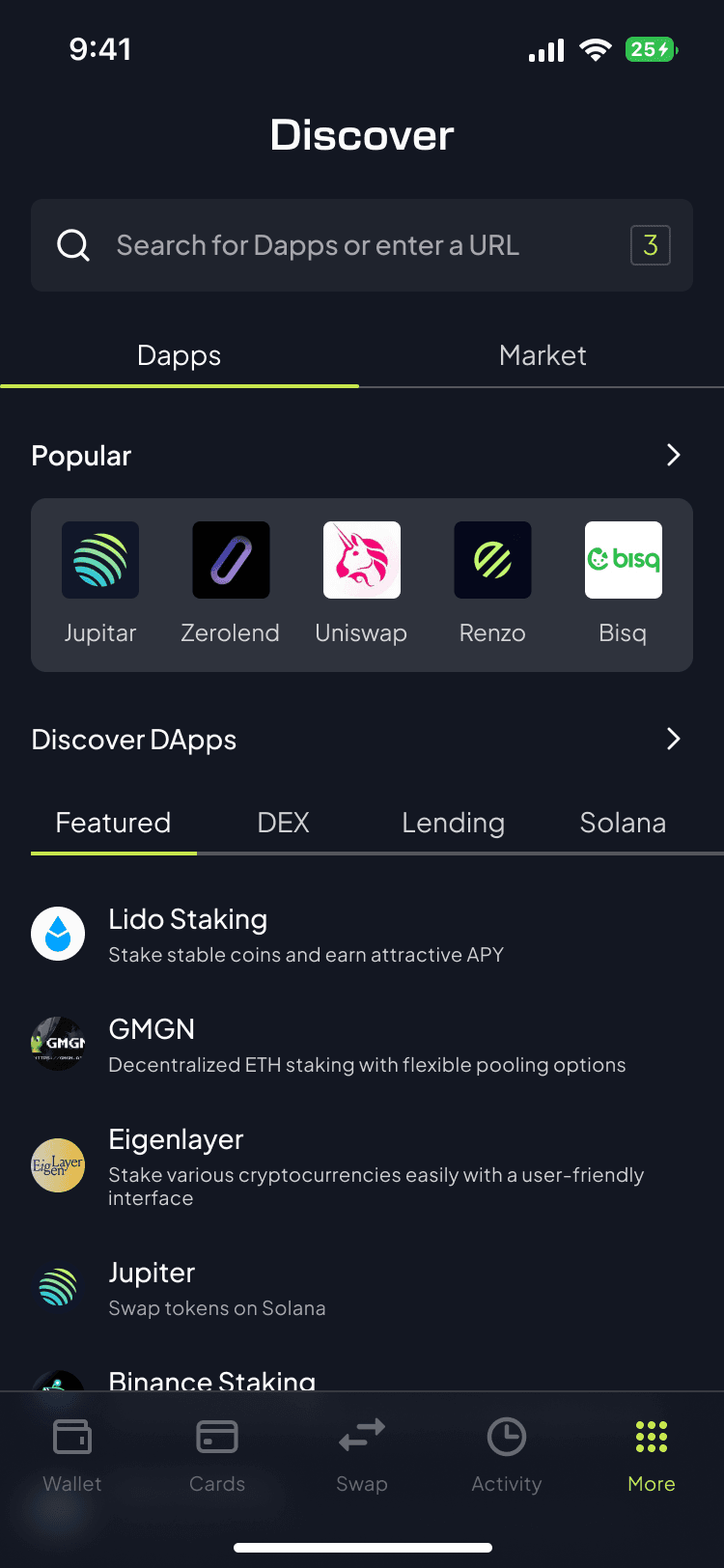
DApp Browser: Access decentralized exchanges and apps without leaving Zap.
Wallet Connect: Integrate with external DeFi protocols seamlessly.
Each feature was designed with the same principle: make crypto feel less like crypto (in terms of complexity) and more like any financial tool people already trust.
Strategic Decisions: Zap Pay
The Merchant Payments Opportunity
At one point, we started exploring Zap Pay—a product that would let merchants accept payments in local currency or crypto. Customers could pay with crypto; businesses would receive whatever currency they wanted.
It was ambitious. It was exciting. And I led the design for it.
But as we got deeper into planning, something became clear: the market wasn't ready yet.
Knowing When to Pause
I sat in the strategic meetings where we debated this. My recommendation? Pause Zap Pay and focus on our core market.
Here's why: for Zap Pay to work, there needed to be deep crypto adoption. Merchants needed a critical mass of customers willing to pay with crypto. But we were still in the phase of onboarding people into crypto. The wallet and exchange were the first steps—getting users comfortable holding and trading digital assets.
Payments infrastructure could come later. First, we needed to win the audience right in front of us. The team agreed. We deprioritized Zap Pay and doubled down on the wallet and exchange. That focus is what allowed us to scale as quickly as we did.
Scaling the Design Team
From Solo to Lead
When I started, I was designing everything myself. Every screen, every flow, every decision. As the product grew, that model stopped working.
We hired two designers and brought on an intern. Suddenly, I wasn't just designing, I was leading.
Building the Design System
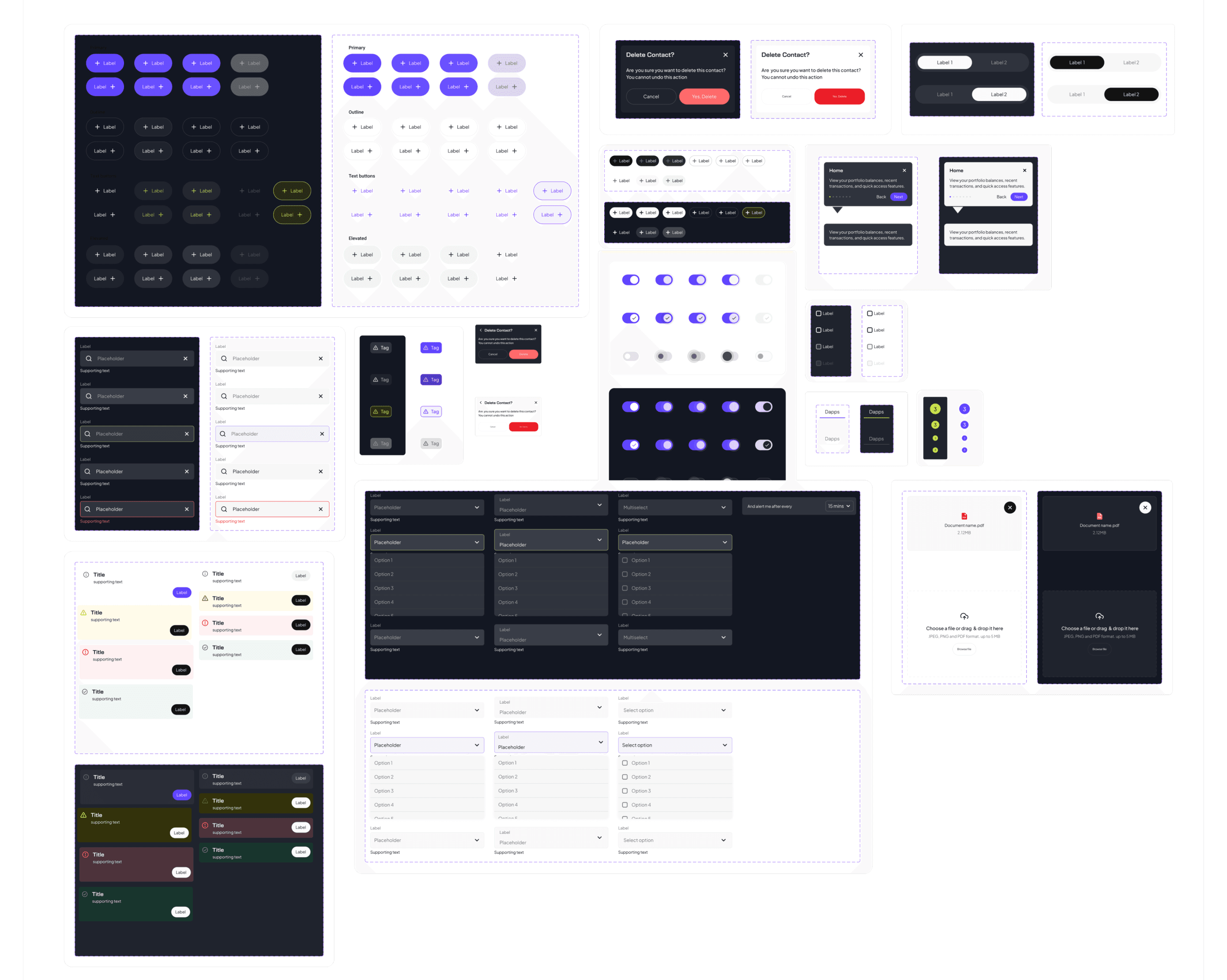
One of the first things I did as design lead was establish a design system. We were moving too fast to keep reinventing components. Buttons, inputs, cards, typography, spacing—every designer on the team needed access to the same building blocks.
But a design system is only useful if people actually use it. So I led the adoption process:
Onboarding: Walked each designer through the system, explained the principles, showed them how to contribute.
Documentation: Made it easy to find what you need, when you need it.
Iteration: Treated the system as a living thing—updated it as the product evolved.
The result? 50% faster design turnaround time. Features that used to take a week to design now took days. And engineering had a coherent, consistent resource to build from, reducing back-and-forth.

The Impact
Two years in, here’s where Zap stands:
Business Growth
$5.5M in transaction volume (110x growth from week one)
35,000+ registered users
10,000+ successful trades
$600K in pre-seed funding raised
Design Infrastructure
Established design system used across all products
Built QA/UAT processes with high-fidelity prototyping
Reduced design turnaround time by 30%
Product Evolution
Launched non-custodial exchange (MVP)
Shipped integrated wallet with multi-chain support
Added 8+ major features (cards, alerts, watchlists, DApp browser, etc.)
Led full brand redesign
What I learned
Working on this Zap has been an incredible learning experience for me and here are some things I’ve learned over the years.
Trust is designed, not assumed: In crypto, trust isn't about saying "we're secure"—it's about giving users control at every step. Non-custodial wasn't just a technical decision; it was a design philosophy.
Know when to say no: Zap Pay was a good idea. But it was the wrong time. Knowing when to pause, pivot, or deprioritize is just as important as knowing what to build.
Systems thinking scales impact: The design system didn't just make my job easier—it unlocked the entire team. Building infrastructure is less glamorous than shipping features, but it's what allows you to move fast without breaking things.
Lead with clarity: Whether I was designing a flow, leading a rebrand, or mentoring a designer, the most important thing was clarity. What are we solving? Why does it matter? How do we know it's working?