
Building a Multi‑Stakeholder Logistics Platform from Ground Zero
Logistics
Product Strategy
UX Design
UI/Visual Design
Research
Information Architecture
Figma
When I joined Shoppr as founding designer, we had a problem: the third-party SaaS we relied on was bleeding money and stifling growth. We couldn't customise experiences for our users, couldn't build features our market needed, and the licensing costs were unsustainable. The solution was simple, build our own system from the ground up.
The catch was we had five months, a lean team, and zero room for error, considering we were going to migrate our users to this new system.
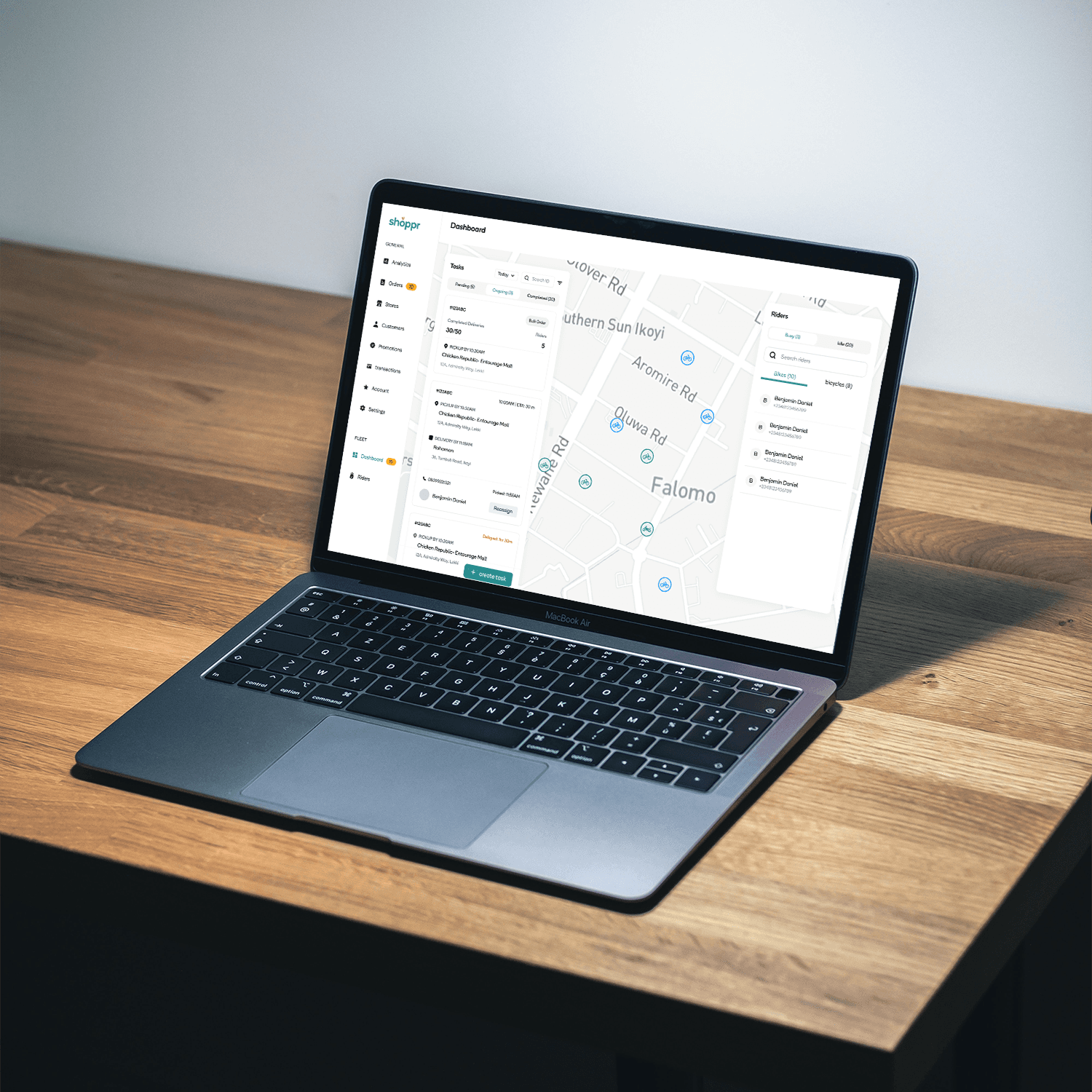
When I joined Shoppr as founding designer, we had a problem: the third-party SaaS we relied on was bleeding money and stifling growth. We couldn't customise experiences for our users, couldn't build features our market needed, and the licensing costs were unsustainable. The solution was simple, build our own system from the ground up.
The catch was we had five months, a lean team, and zero room for error, considering we were going to migrate our users to this new system.
Wearing two hats: Designer & PM
What started as a design role quickly evolved. With such a small team, I took on the role of product manager, leading both developers and designers to ship a complete multi-stakeholder platform. This meant designing and managing:
Customer app for individuals sending and receiving packages
Merchant app with team management, bulk orders, and subscription features for businesses
Rider app for delivery partners accepting and completing orders
Admin dashboard to orchestrate everything—operations monitoring, pricing controls, and user management
No pressure, right?

We’ll deliver.
The Hard Calls: Ruthless Prioritization
Early on, we faced a seductive distraction: building an e-commerce marketplace where merchants could sell directly to our customers. It sounded compelling, but it there was a more fundamental core problem we thought we could solve. I made the call to deprioritise it entirely and focus on nailing last-mile delivery. We couldn't afford scope creep with our timeline.
Prioritisation became a constant exercise in dependency mapping—which apps needed to exist for others to function? How do experiences the riders have on their apps tie back to services offered to merchants? These decisions shaped our five-month roadmap.
Designing in the Dark: The Admin Dashboard
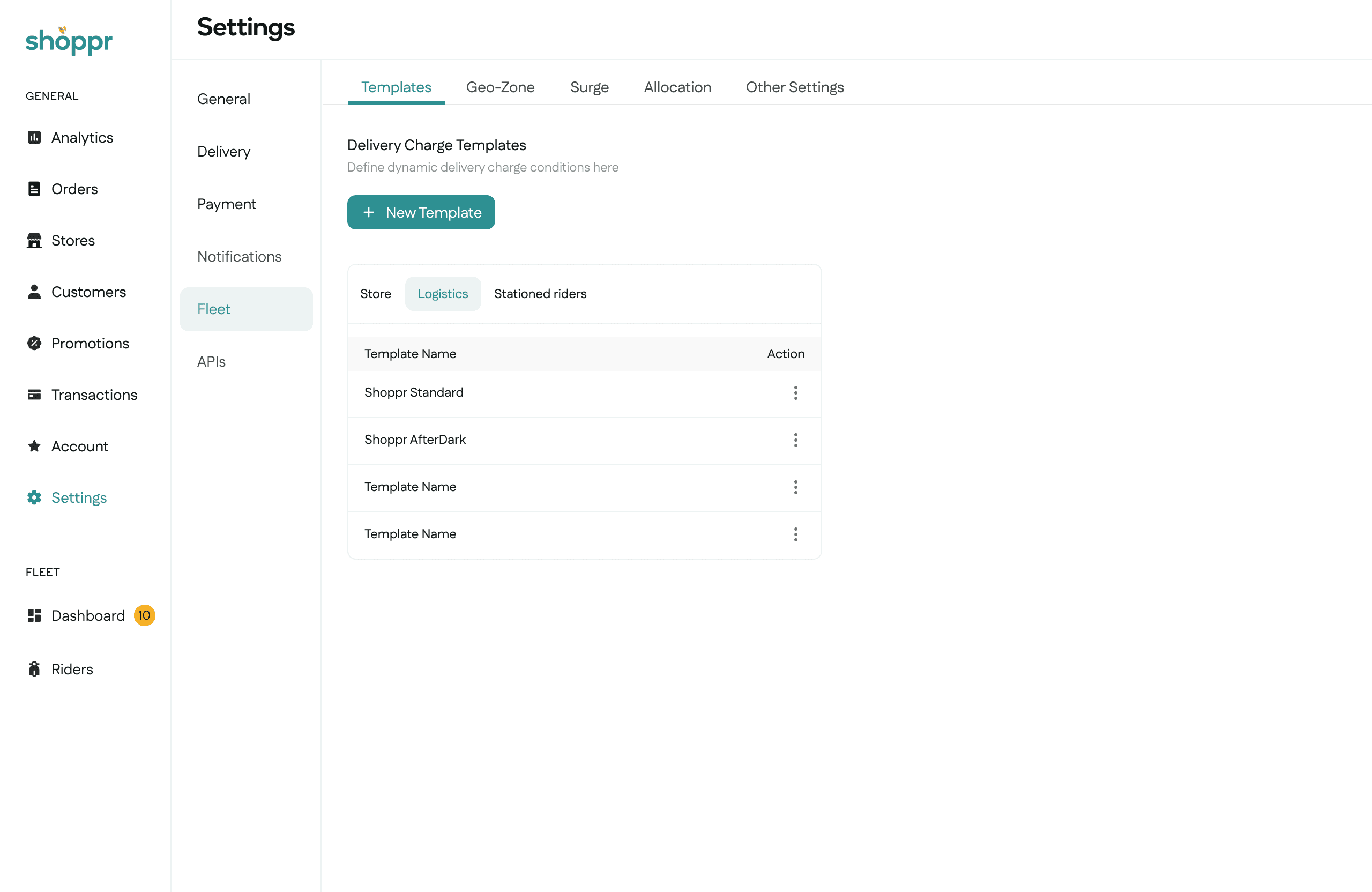
One of the toughest design challenges I faced was the internal admin dashboard. Unlike the customer and rider apps where I could research existing solutions, there were no clear references for our specific operational needs. I had to figure it out from first principles—how do you manage regular orders, subscription orders, and bulk deliveries in one interface without overwhelming operations teams? How do you design city zoning controls that affect pricing across regions?
It required deep collaboration with stakeholders and constant iteration.
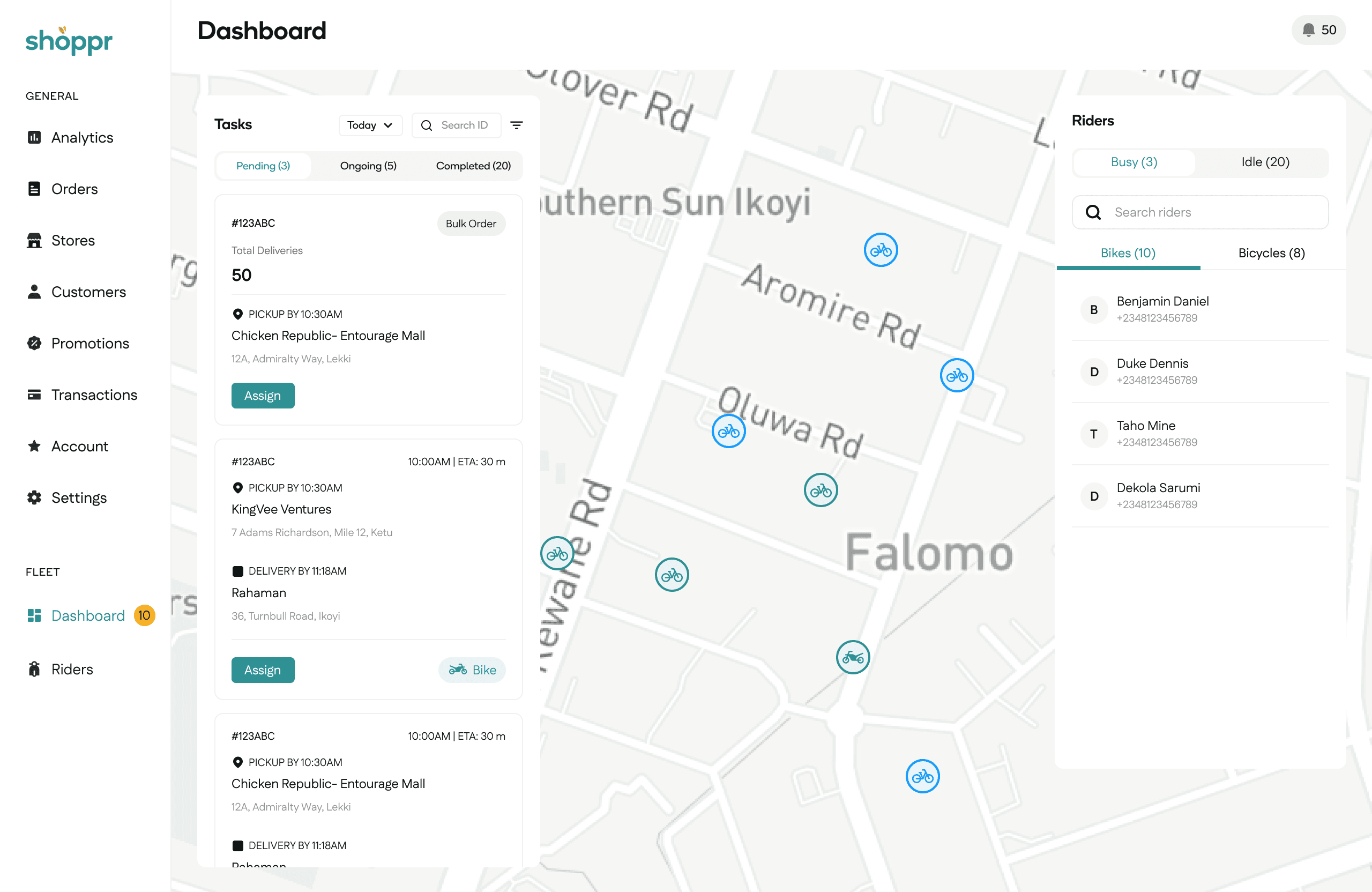
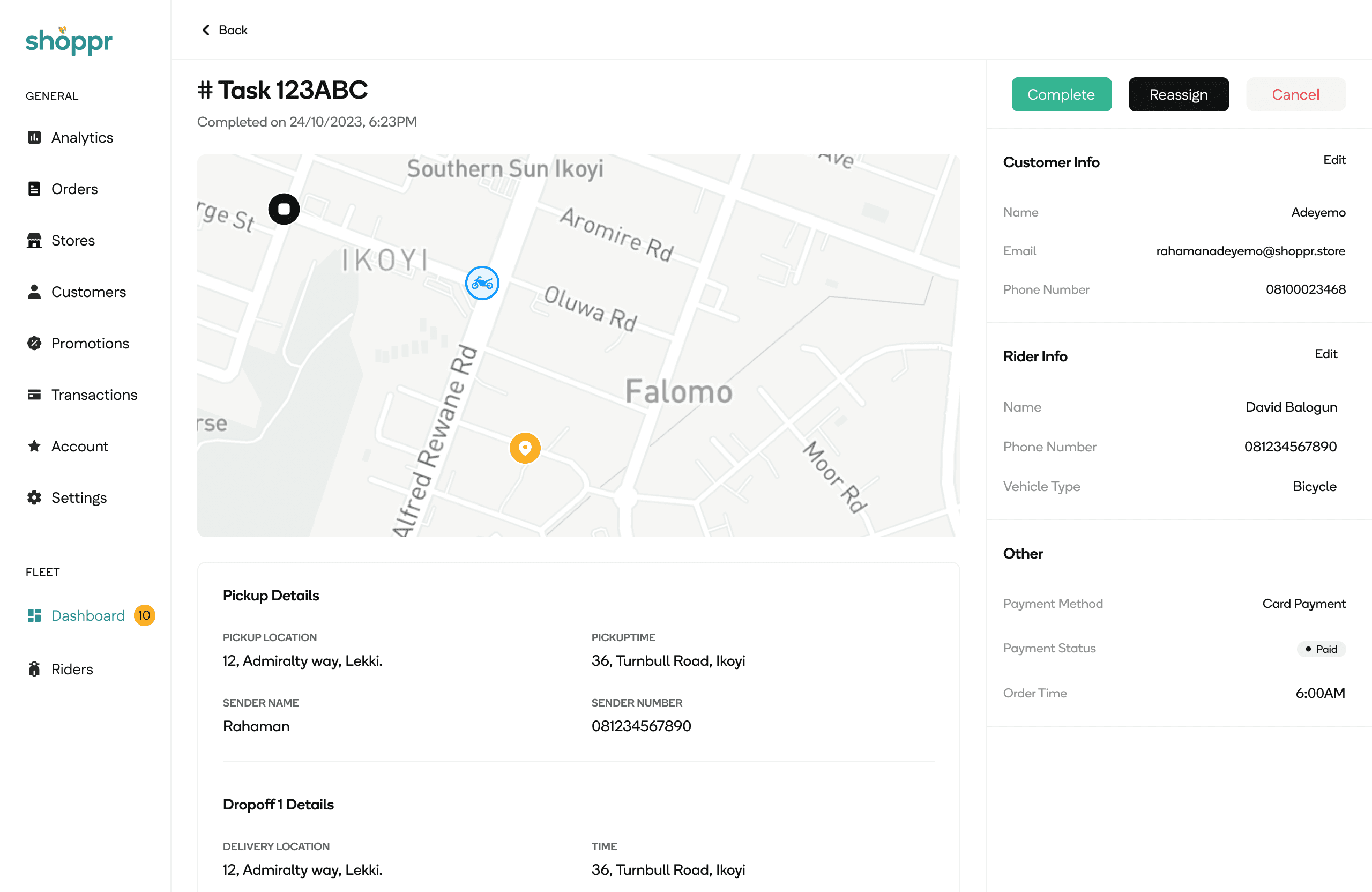
Direct engagement with merchants revealed something critical: businesses with multiple branches needed seamless intra-company logistics. The ability to quickly send packages between their own locations became a core feature we wouldn't have prioritized without that insight.
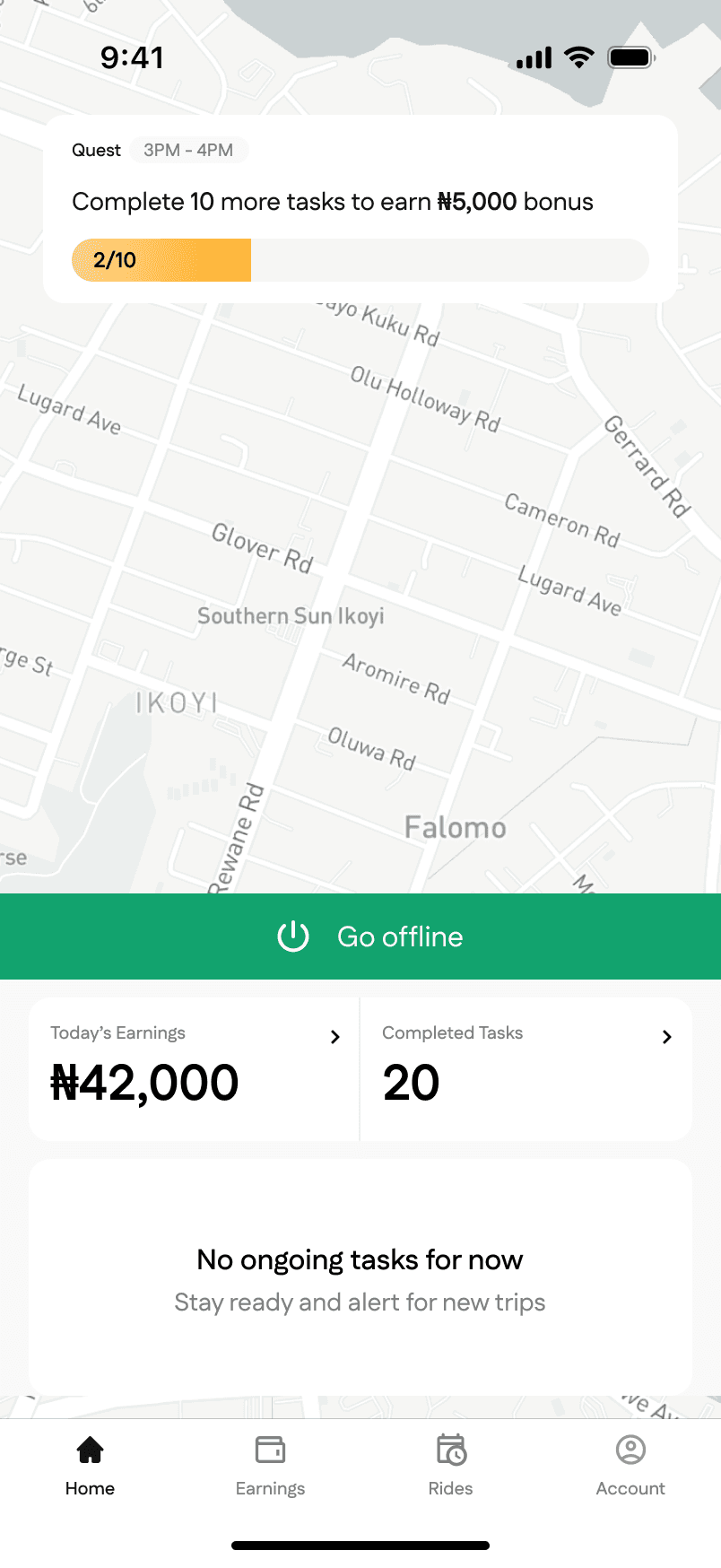
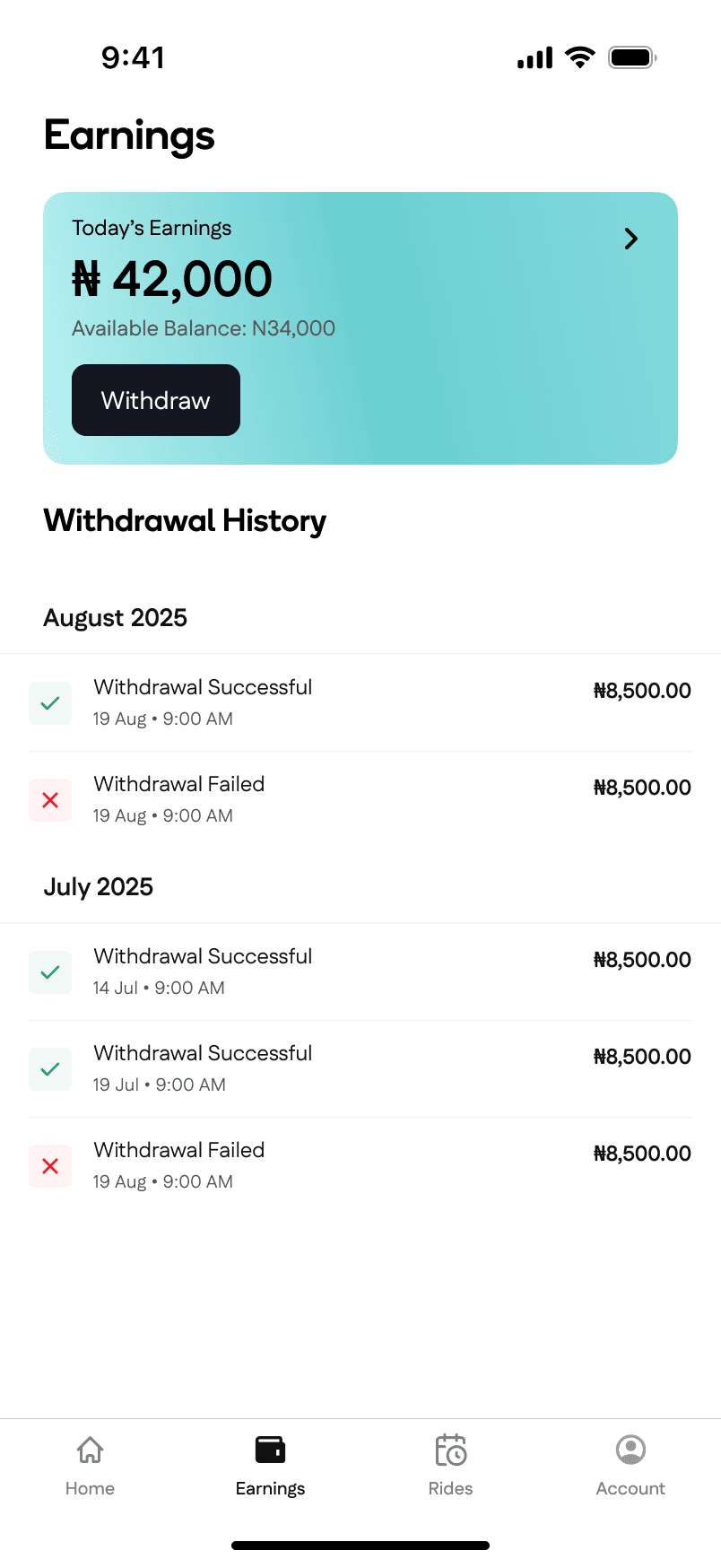
For riders, I researched competing platforms and spoke with delivery partners directly. The biggest pain point? Lack of control over their earnings. We designed a cashout feature that put riders in the driver's seat—literally and figuratively.
For Merchants
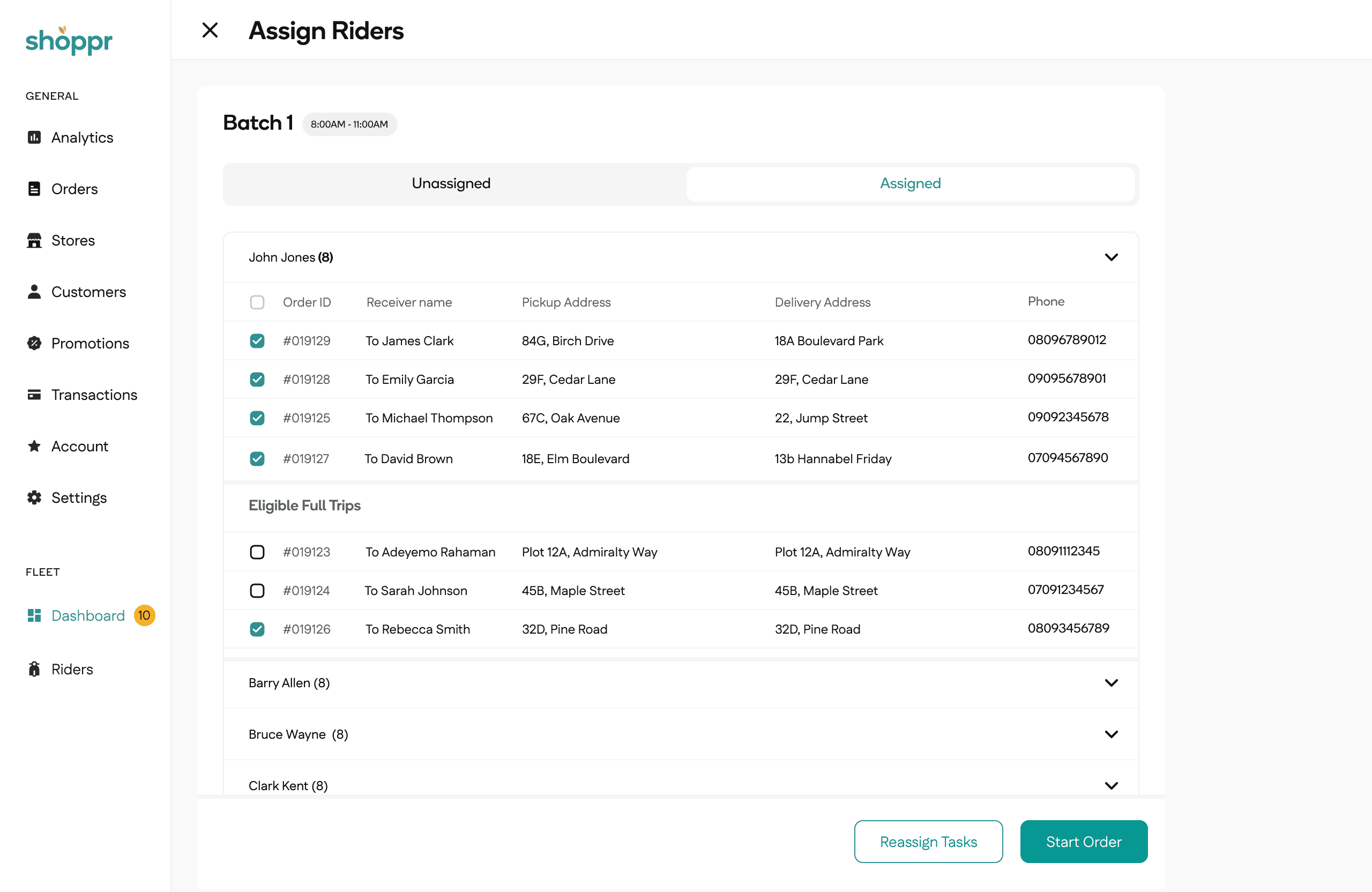
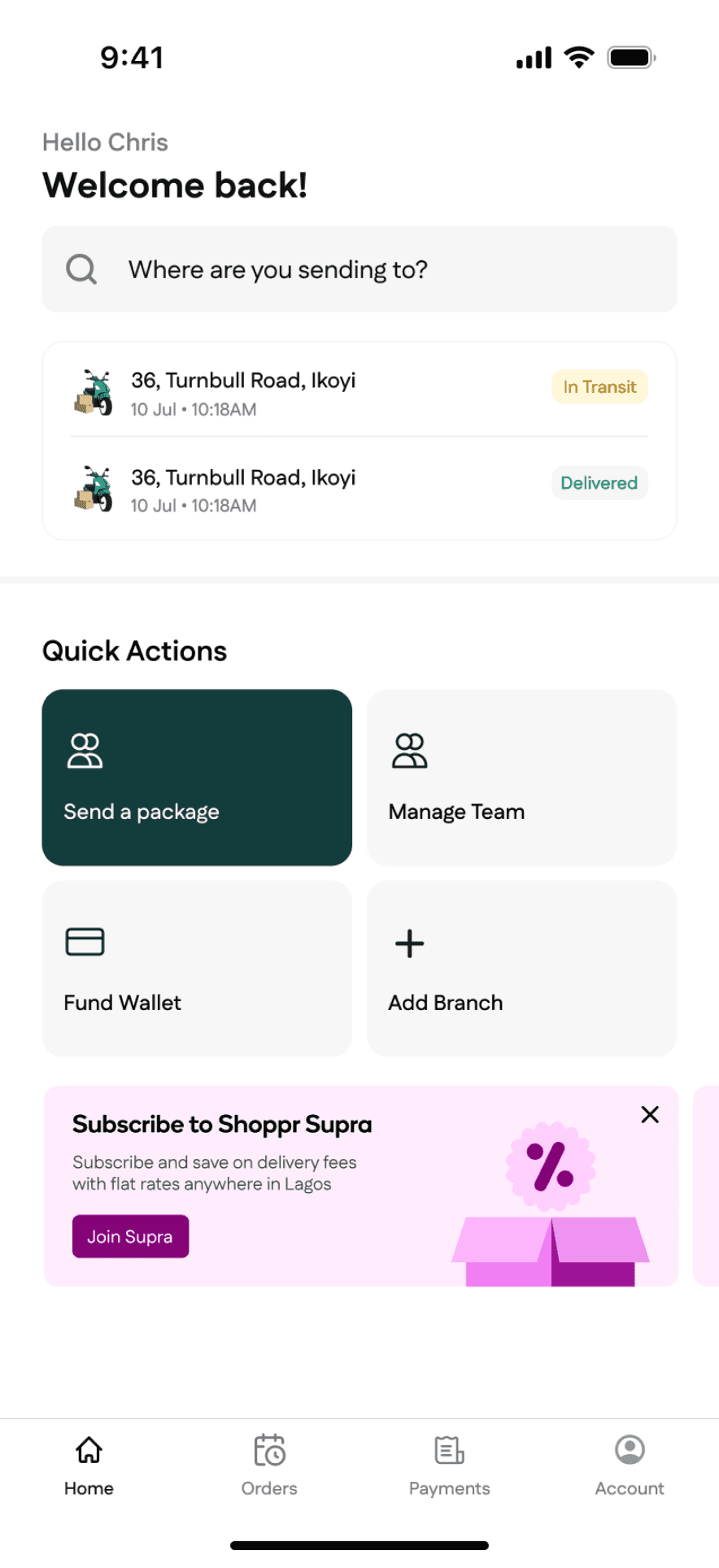
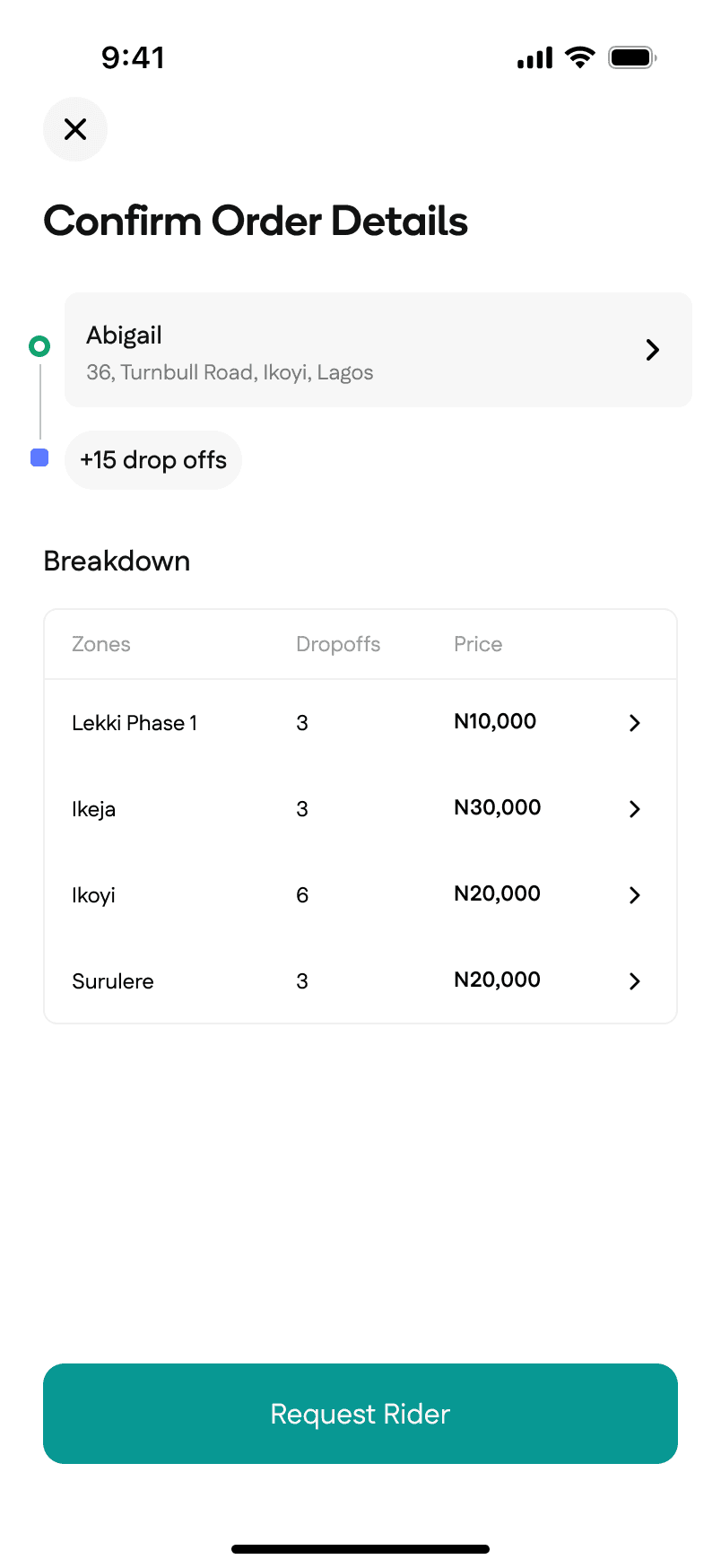
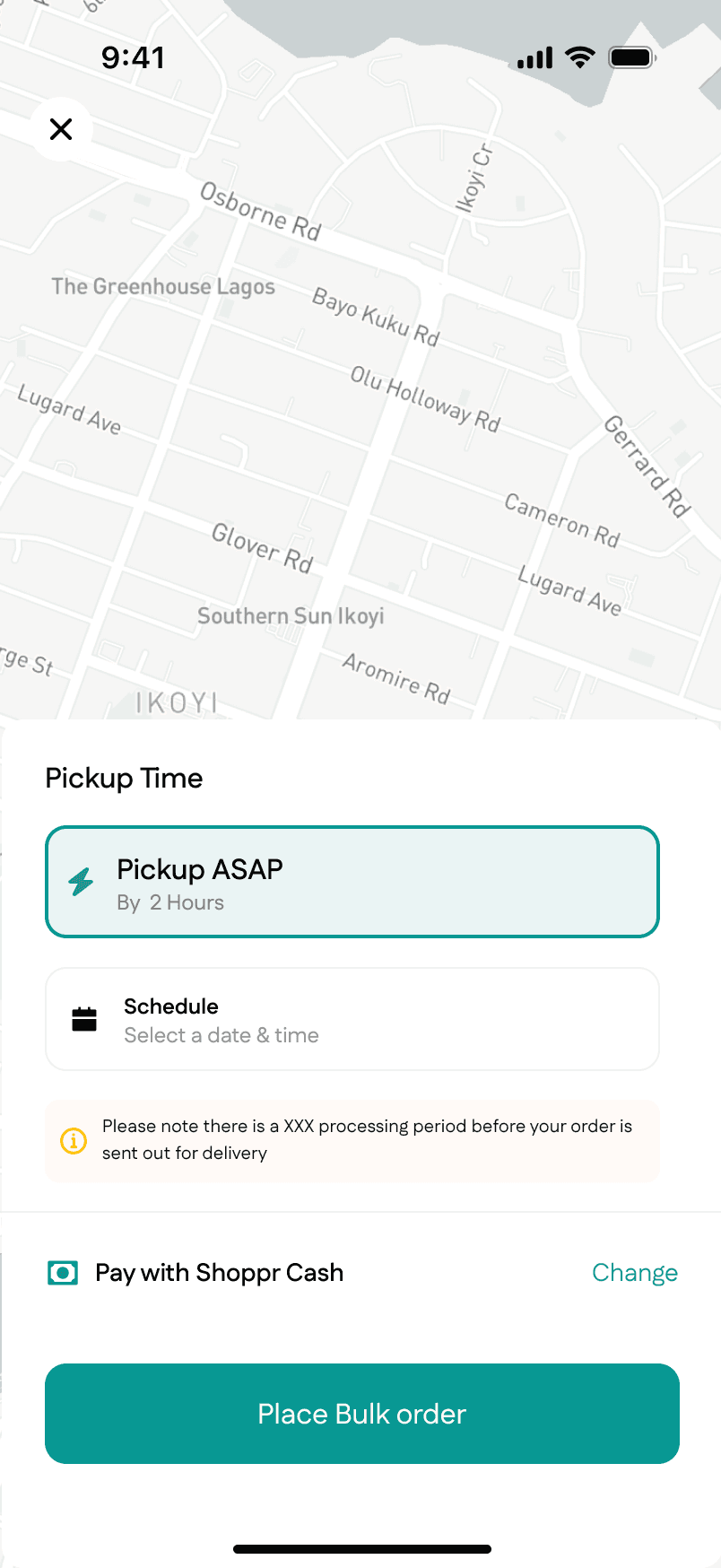
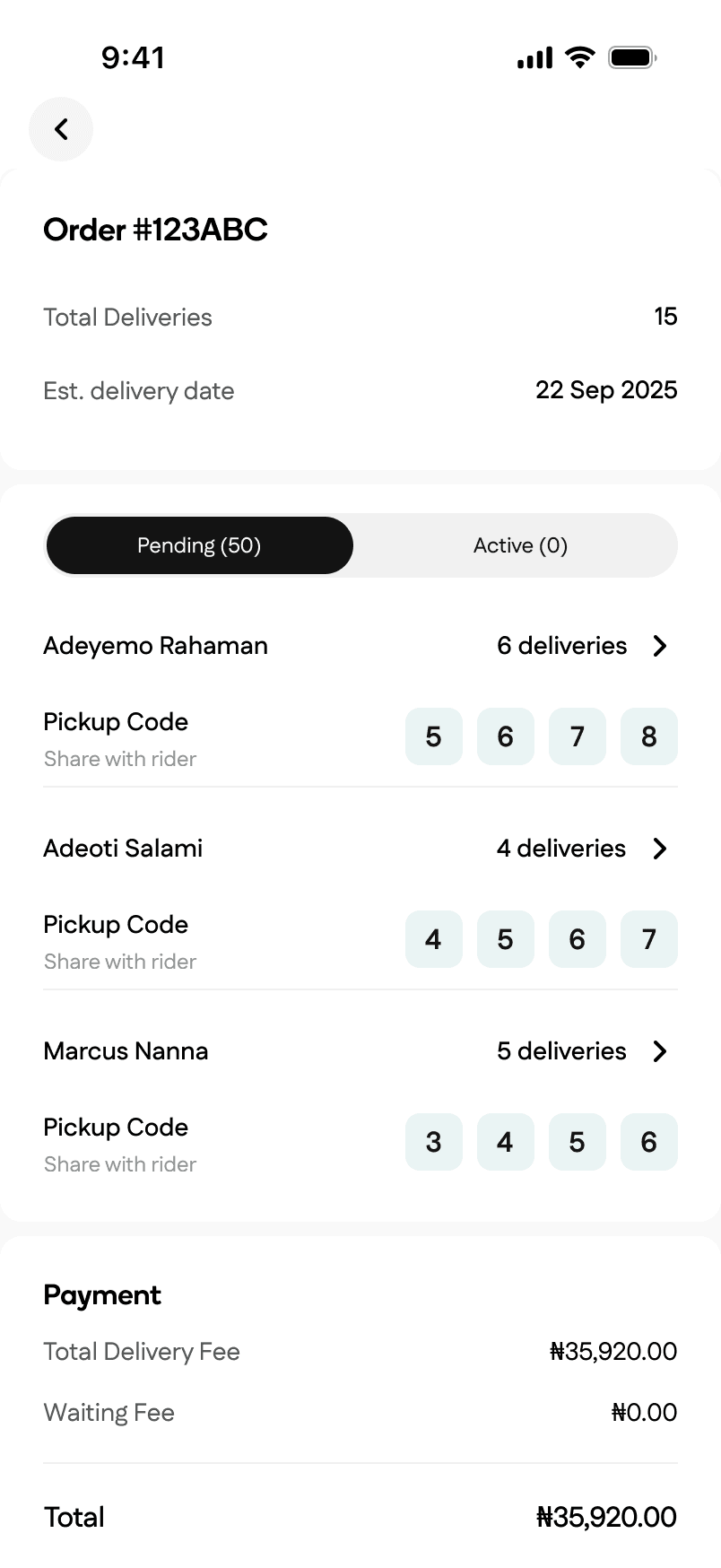
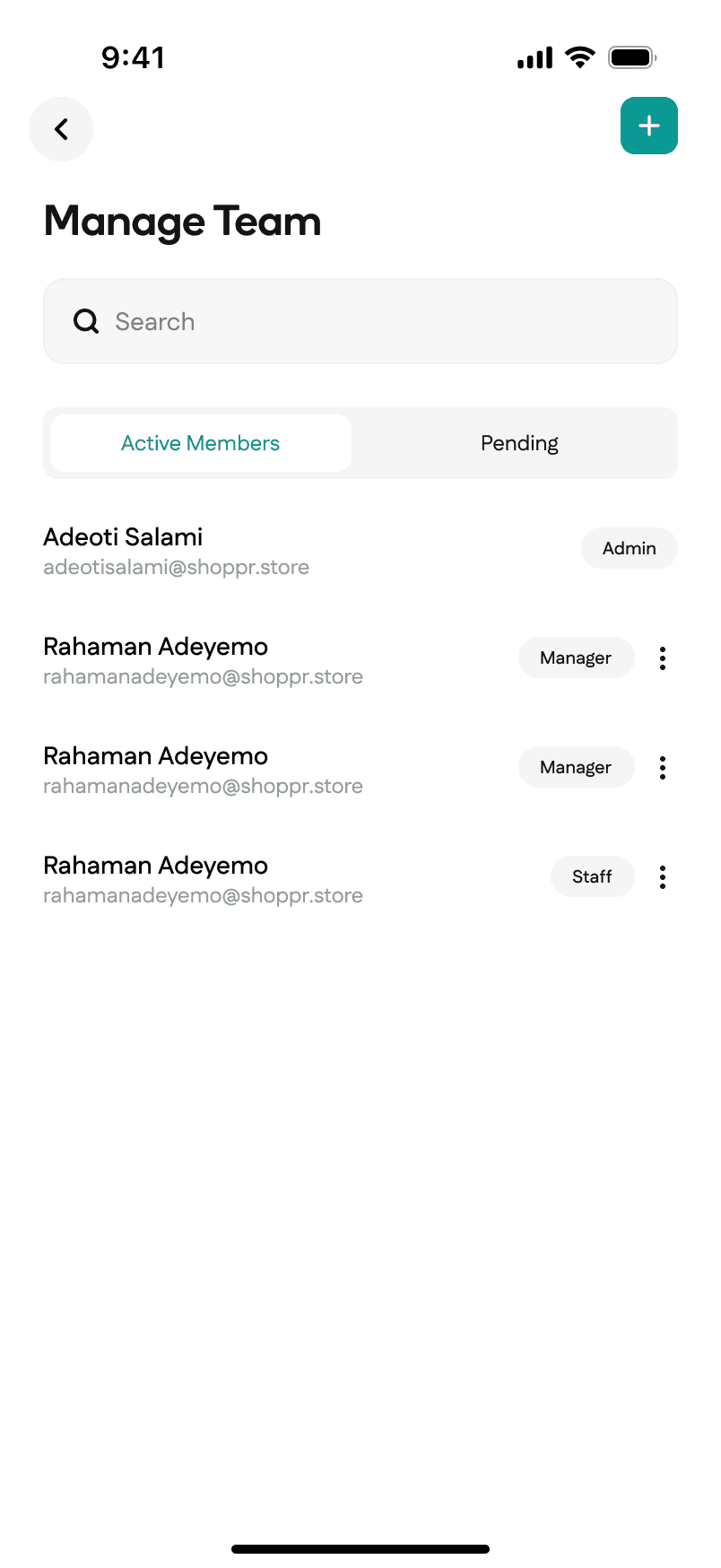
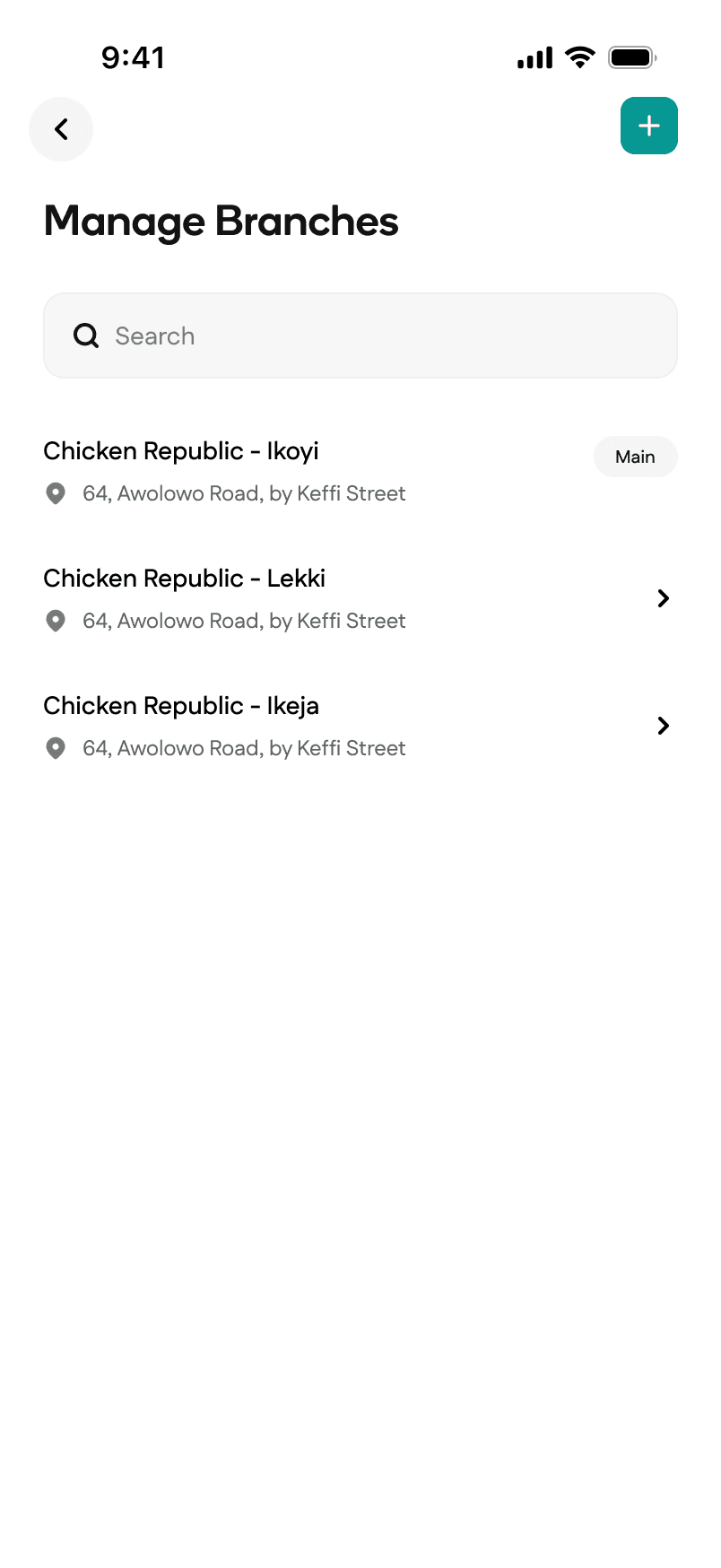
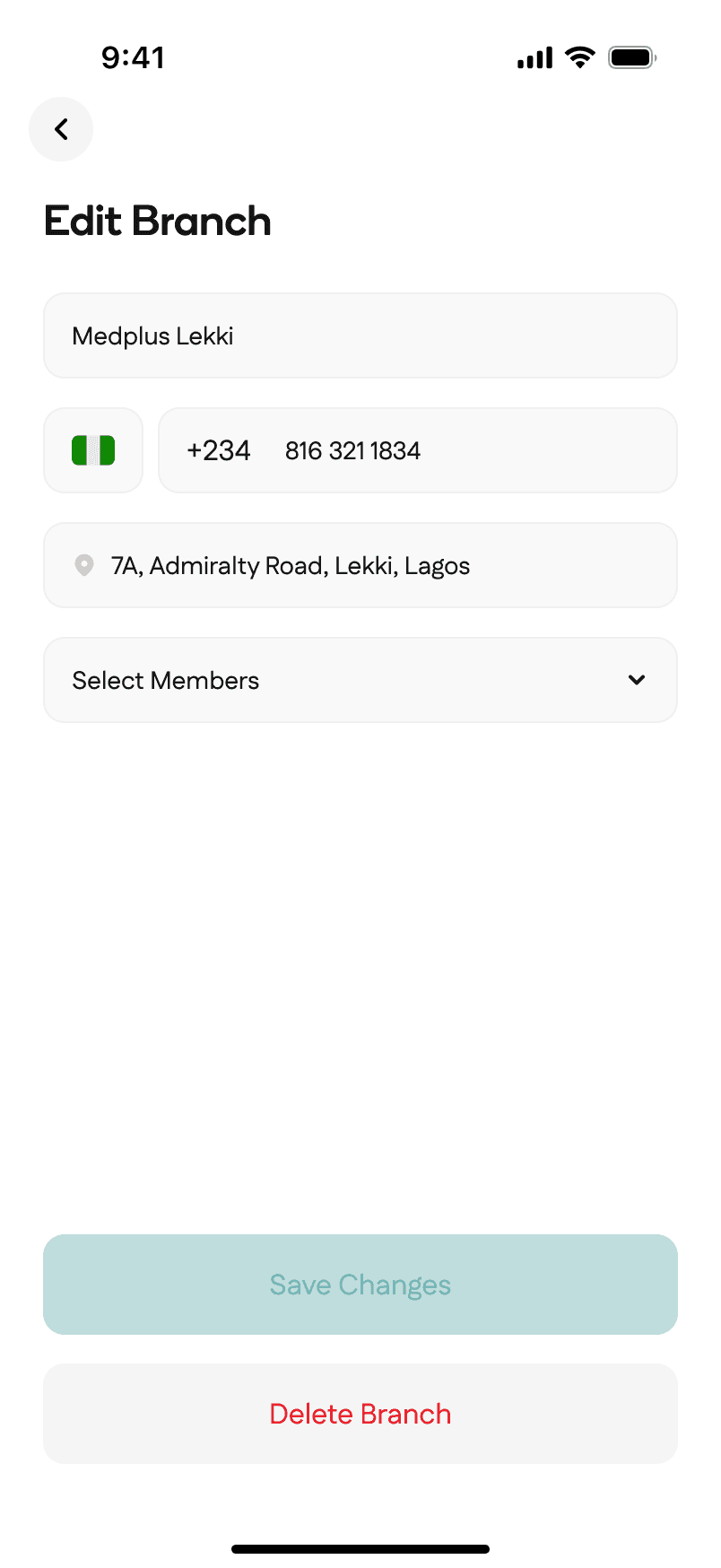
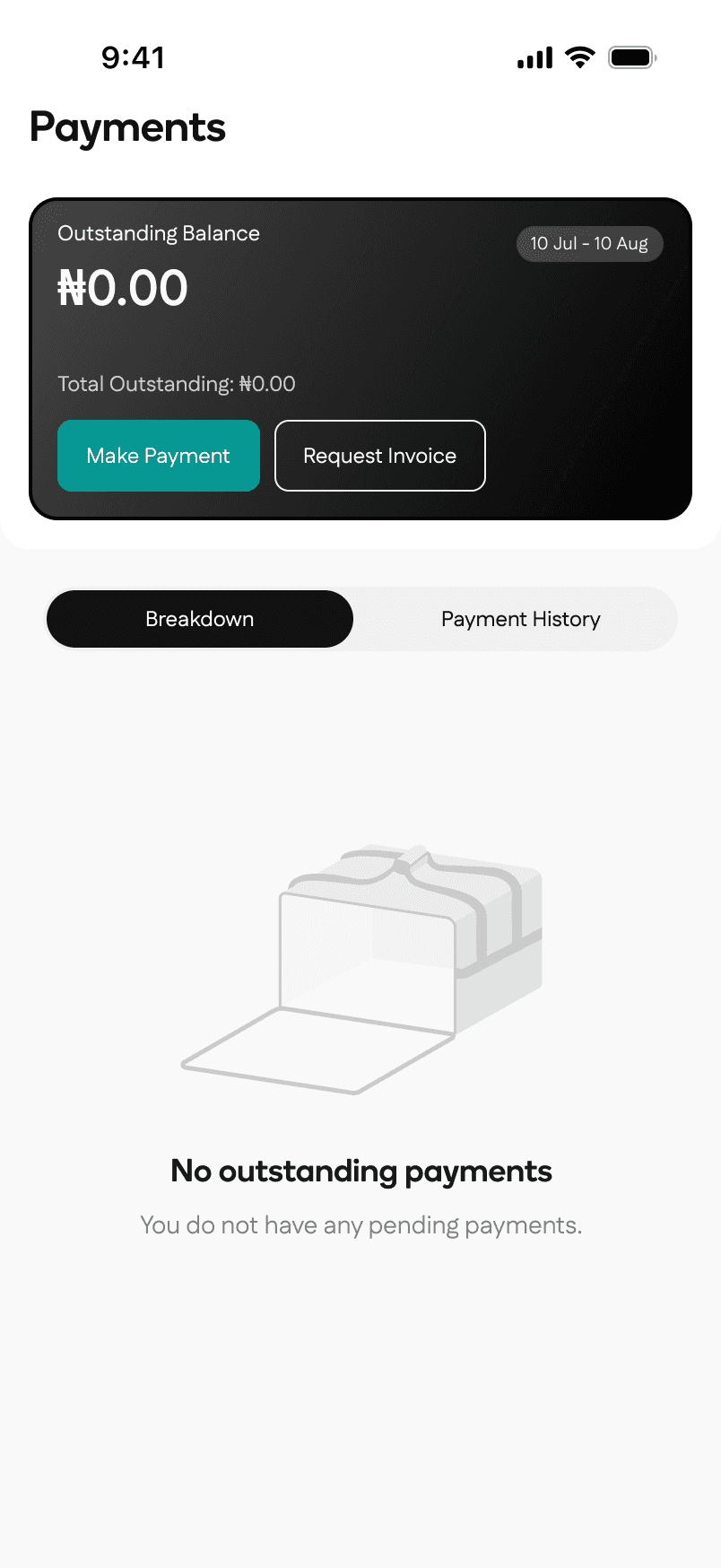
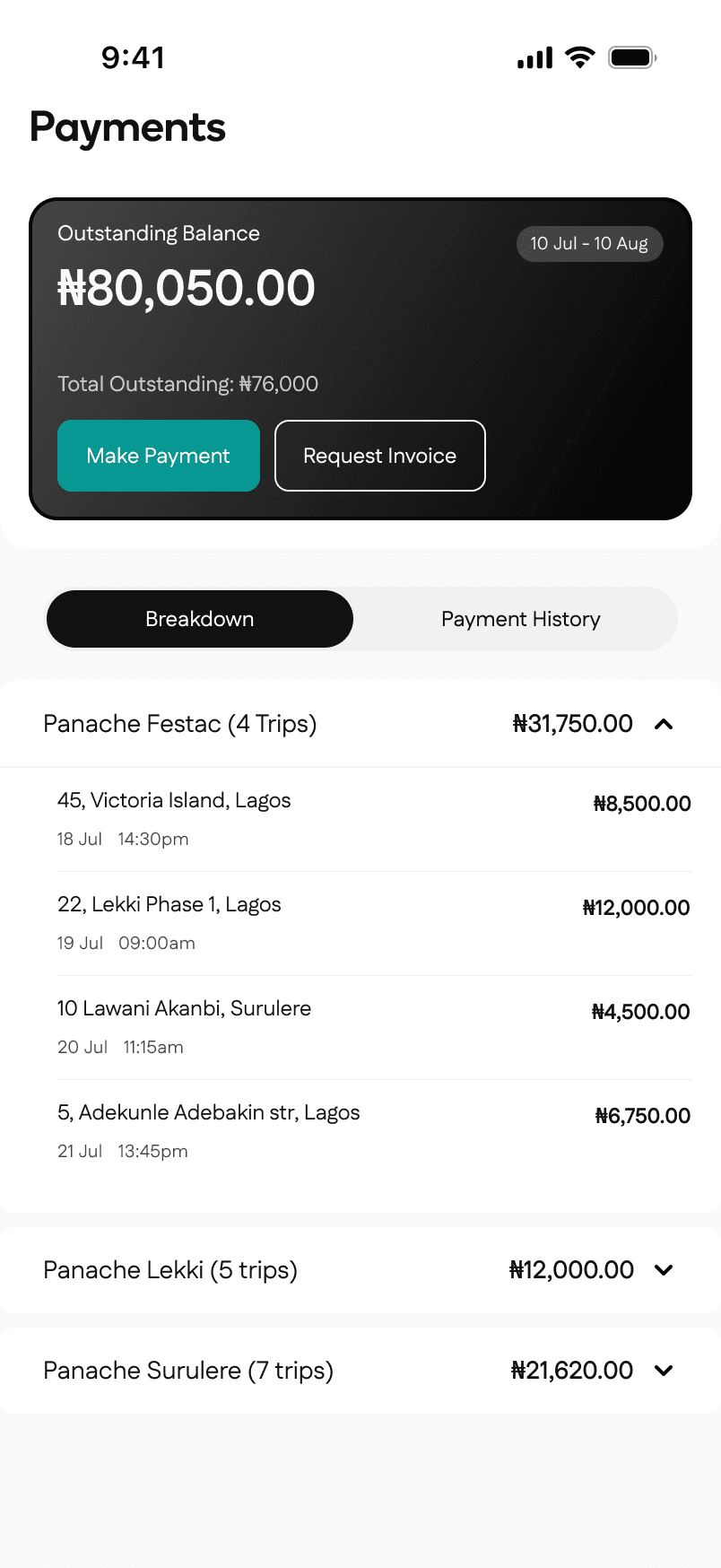
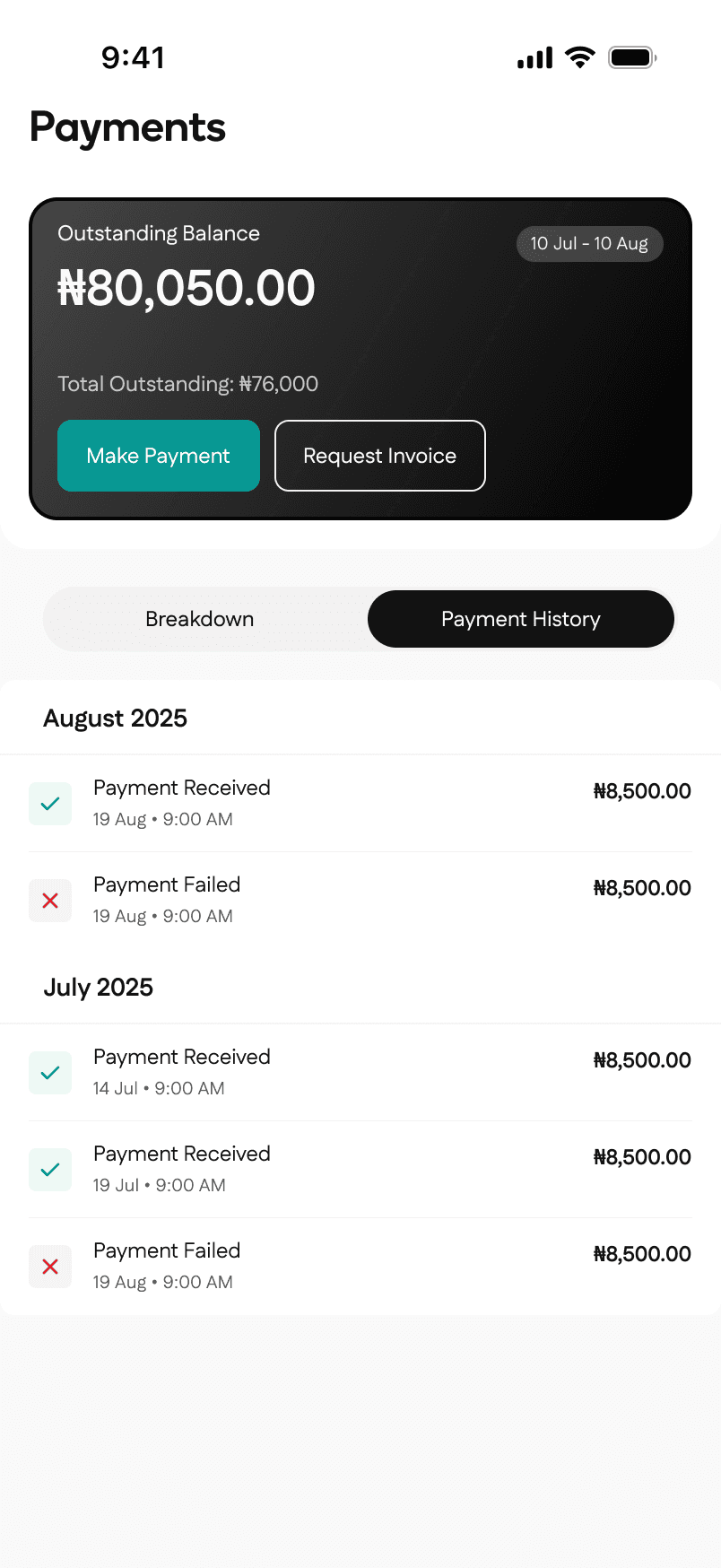
Businesses needed to send packages at scale, not one at a time. I designed a bulk order delivery system that let merchants upload and schedule multiple shipments efficiently. Paired with team and branch management, larger organizations could now manage their entire logistics operation in one place—coordinating between locations, assigning packages to teams, and tracking everything in real-time. For enterprises, we built a credit account system that streamlined billing for high-volume users.
For Customers
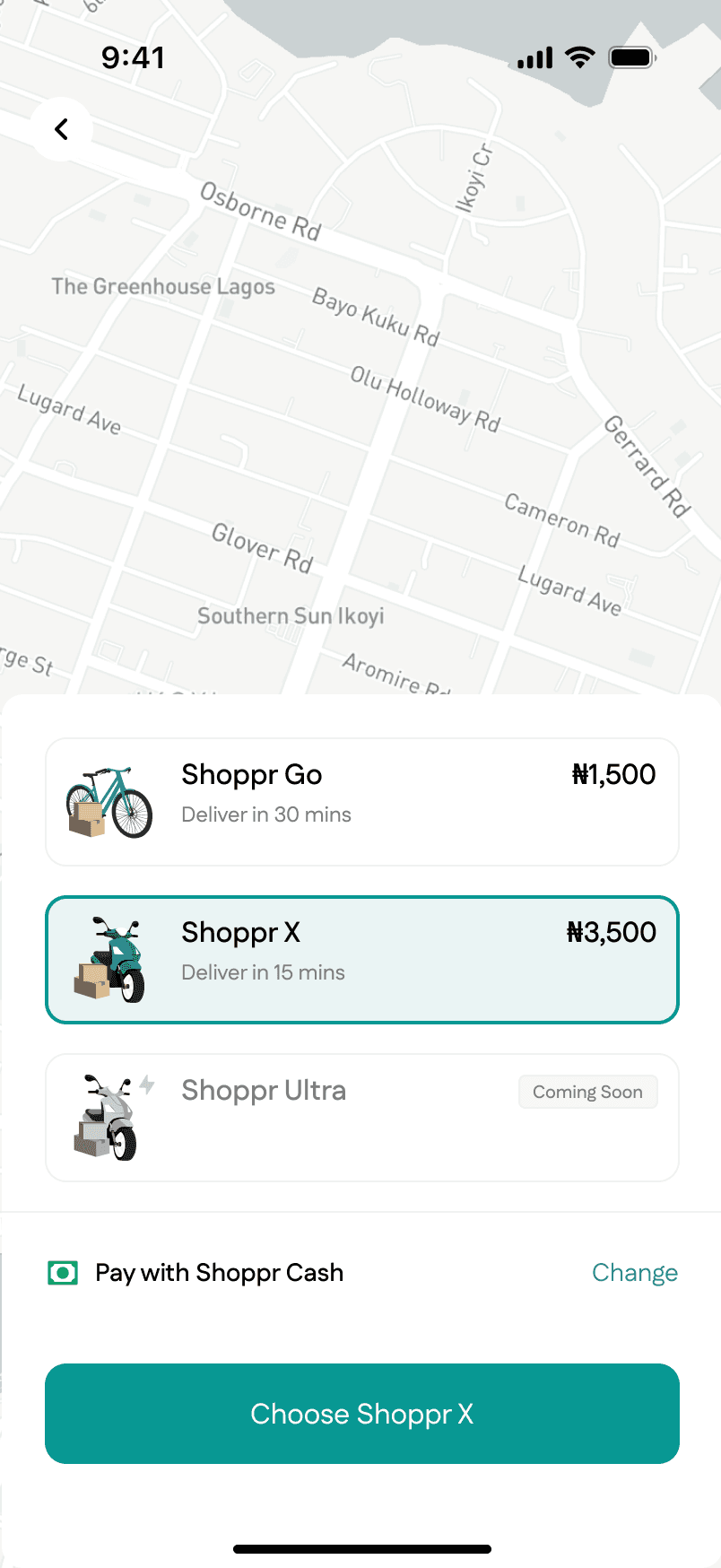
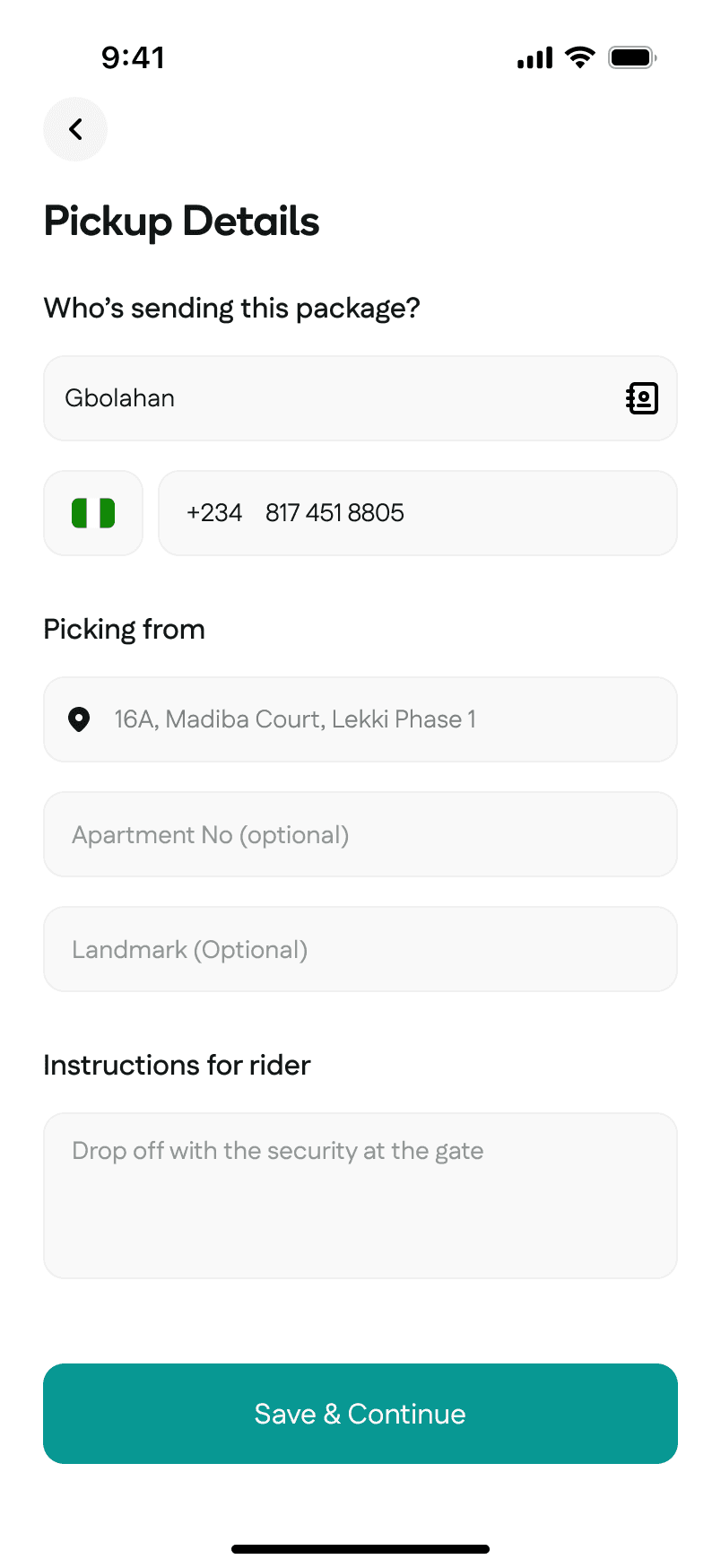
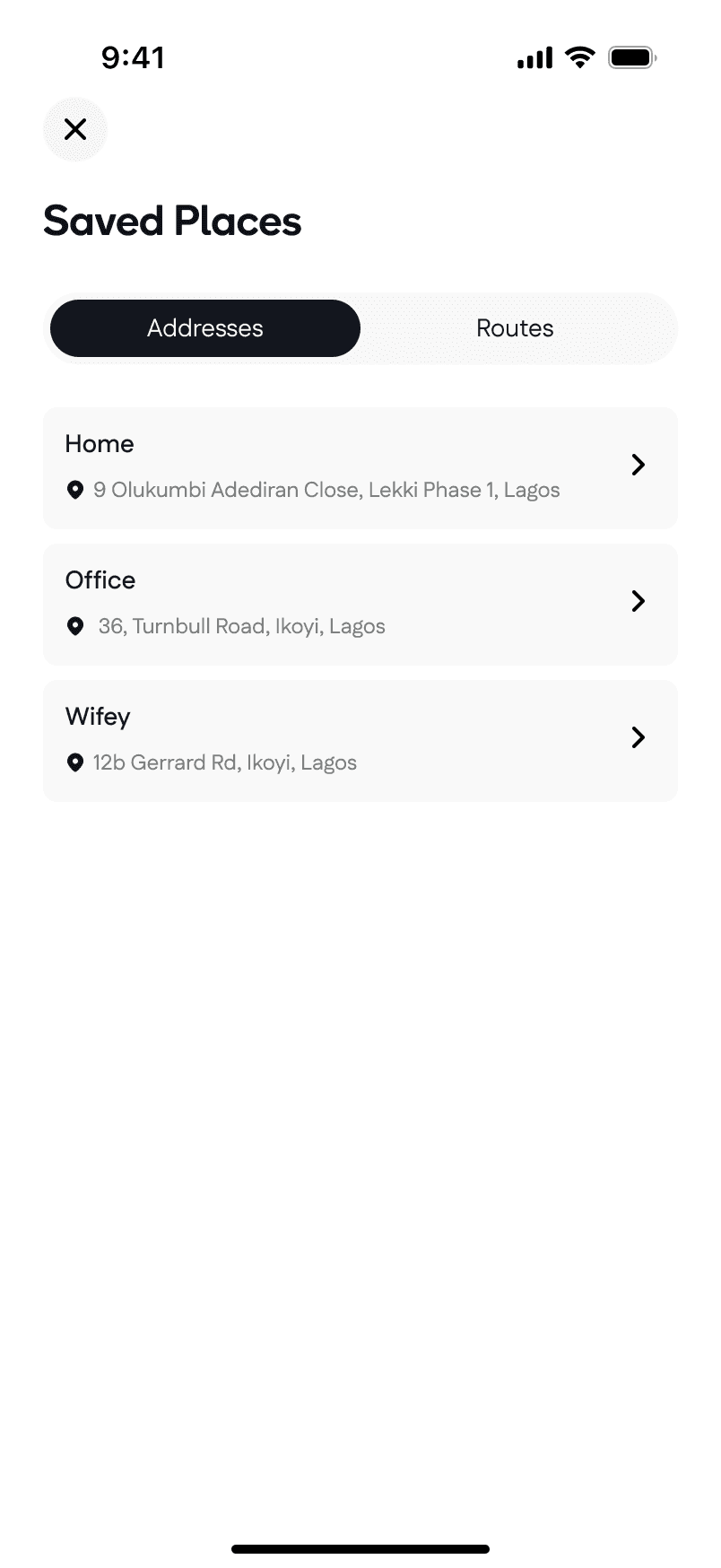
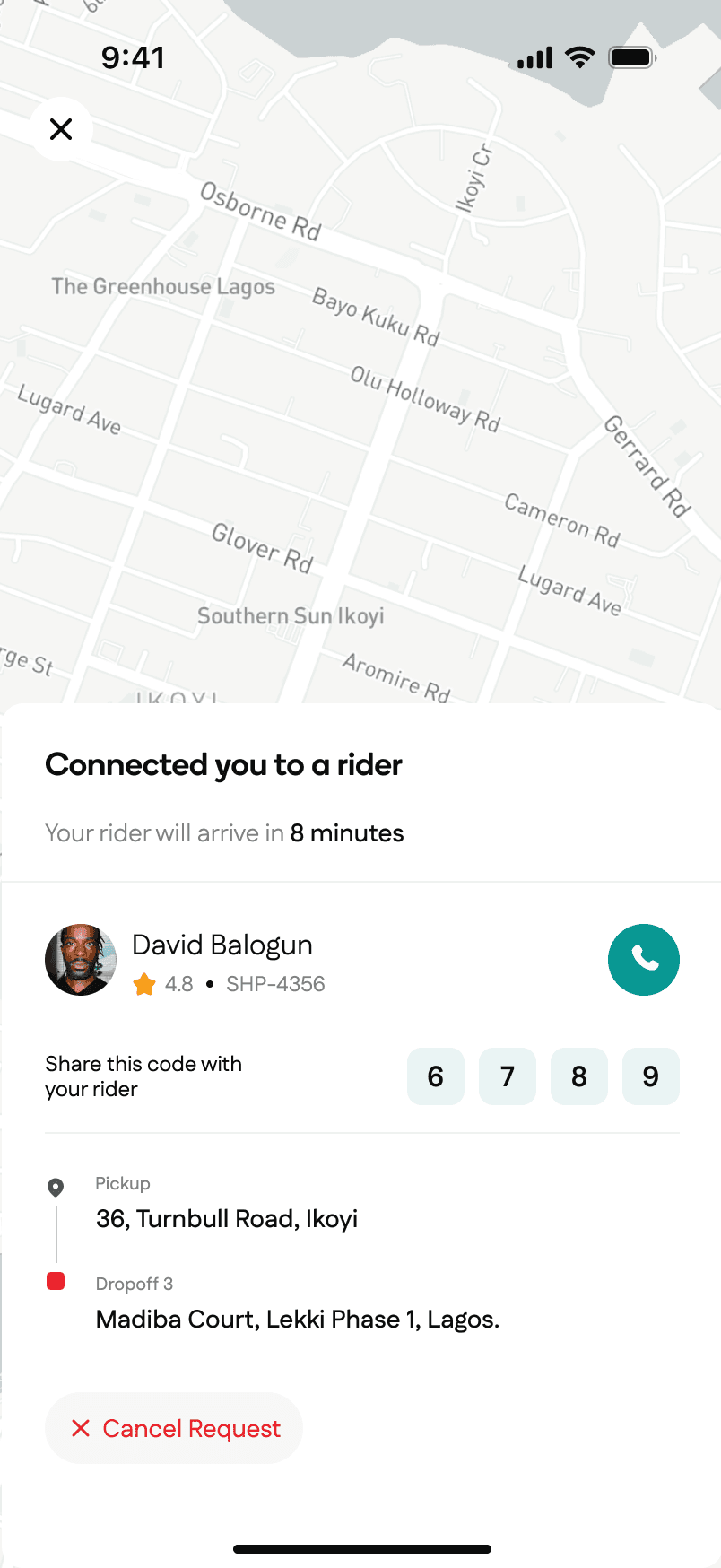
The insight here was simpler but powerful. Most customers send to the same places repeatedly—home, office, favorite vendor. I designed a saved routes and locations feature that eliminated friction. One tap, and you're sending to a saved address. It sounds basic, but it reduced form friction significantly.
For Riders
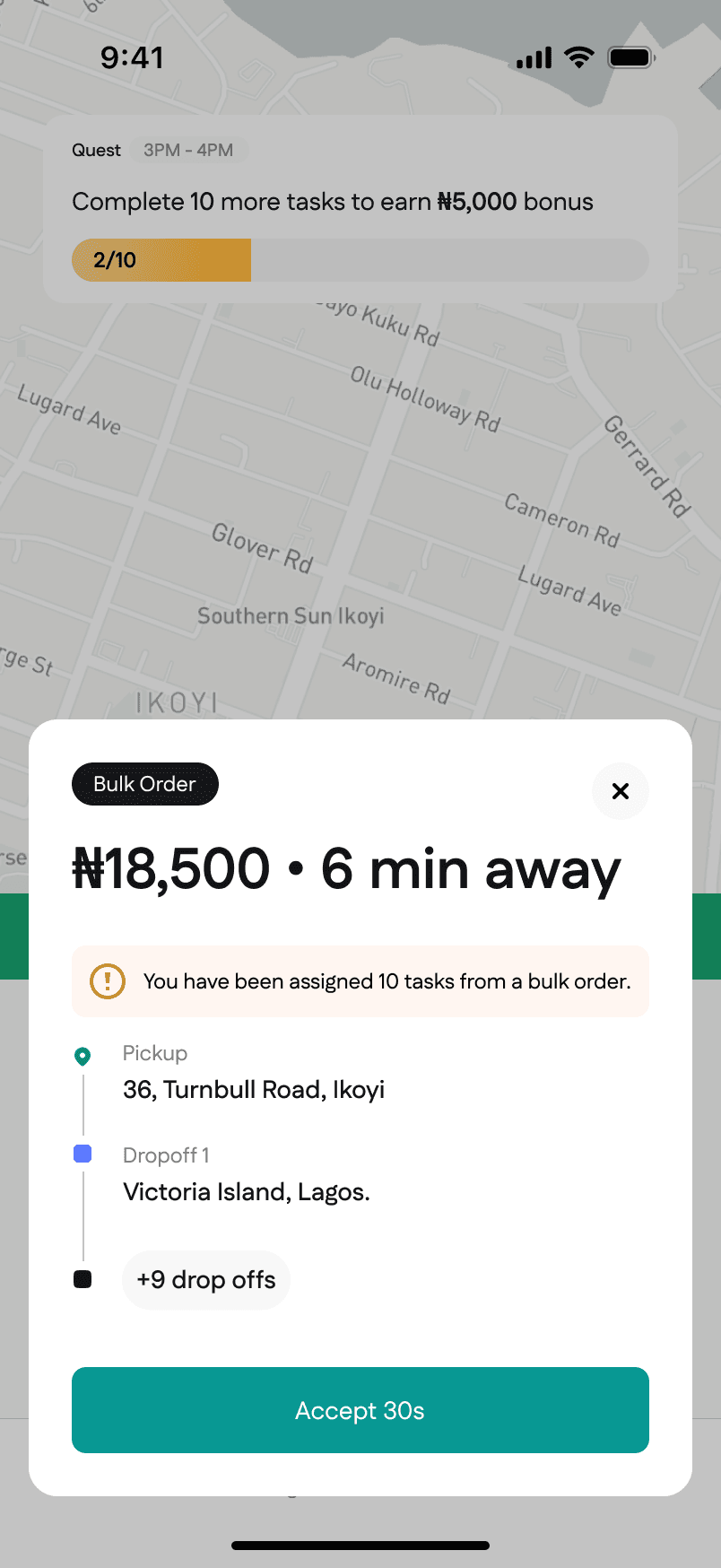
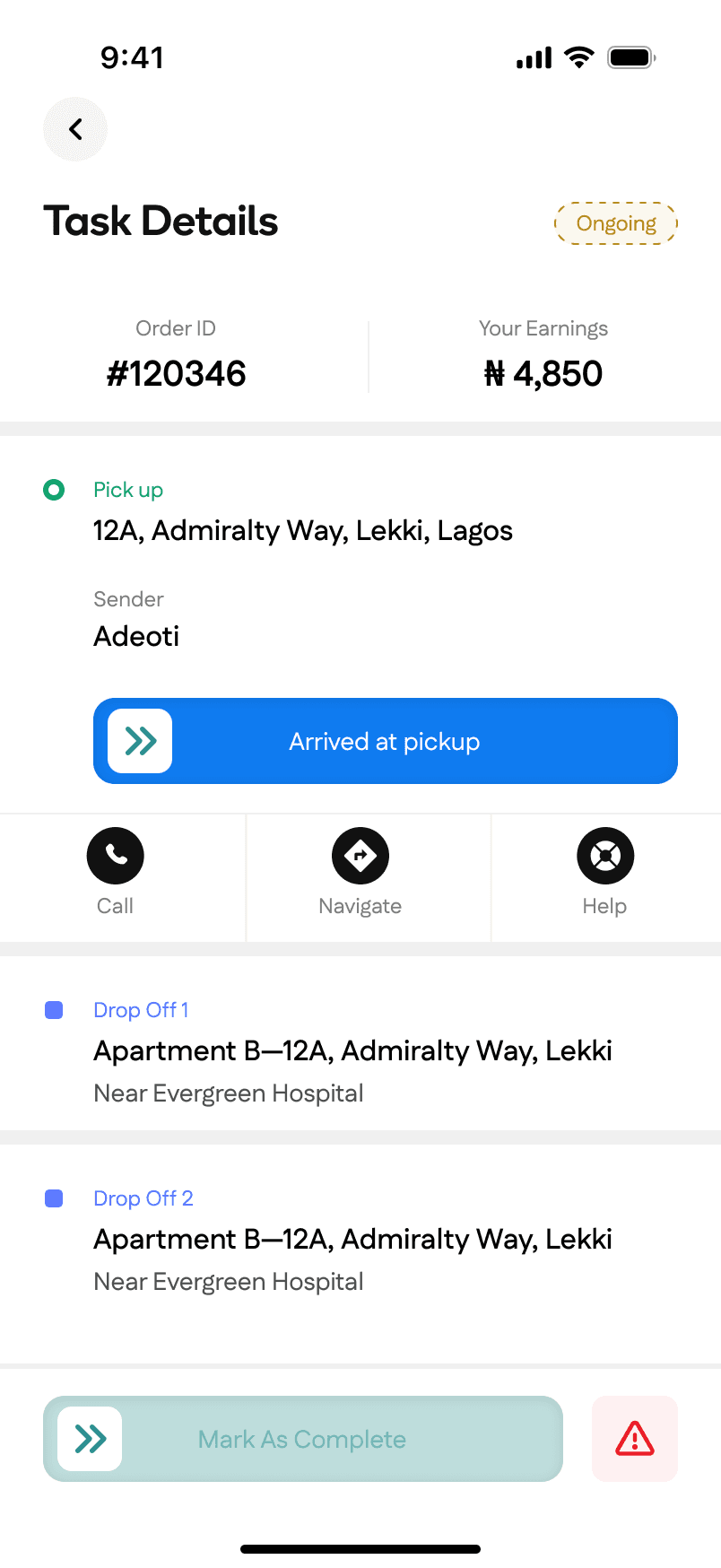
This is where the ecosystem came together. Riders needed to handle bulk orders efficiently without being overwhelmed. We designed an intelligent bulk order assignment and fulfillment system that grouped packages intelligently, maximizing their earning potential per trip. But the real game-changer? The cashout feature that put riders in control of their earnings, letting them withdraw anytime rather than waiting for weekly payouts. This alone transformed how riders felt about the platform.
Impact: A Seamless Migration
After five intense months, we shipped all three apps and the admin dashboard simultaneously. The company successfully transitioned off the expensive third-party SaaS.
Merchants and riders migrated seamlessly, with minimal support tickets. The feedback was immediate:
Riders loved the cashout feature and the ability to process bulk orders efficiently without sacrificing earnings
Merchants praised the branch management tools and bulk order system—finally able to centralize their logistics and scale their operations
Customers appreciated the friction-free experience of saved locations
The system worked across the entire ecosystem
What I learned
This project taught me that managing complexity starts with ruthless planning—mapping dependencies, understanding each stakeholder's needs, and designing features that solve for multiple users simultaneously. Wearing both PM and designer hats forced me to think holistically: user needs, technical feasibility, and business viability all had to align.
Building a multi-stakeholder platform from scratch in five months with a lean team wasn't just about designing great interfaces. It was about making the right calls under pressure, staying focused when distractions arose, and shipping something that actually worked for everyone in the ecosystem.